
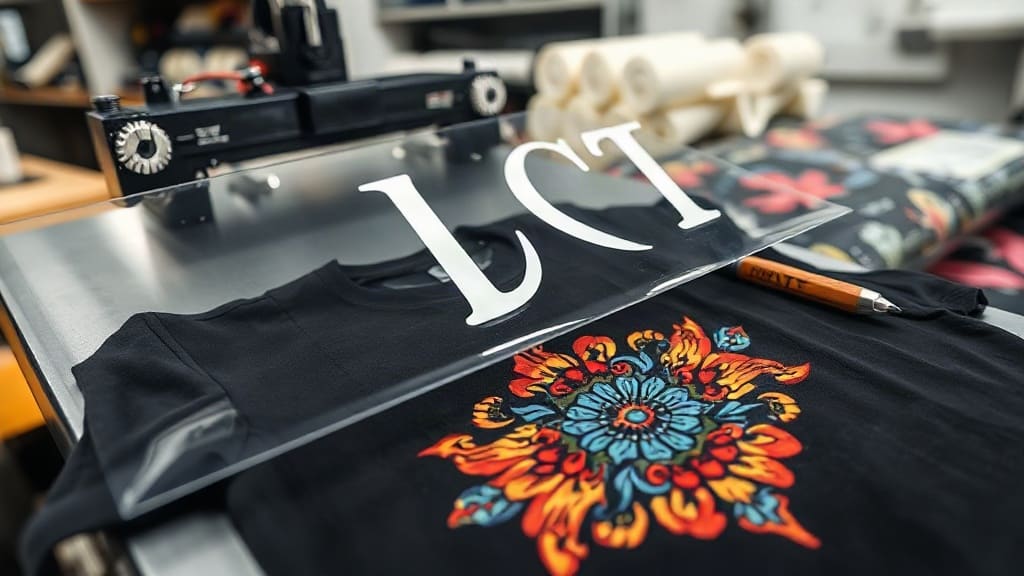
Have you ever wondered how custom t-shirts, hoodies, and tote bags get those vibrant, detailed prints that seem to last forever? The secret often lies in dtf transfers. This innovative printing method has taken the apparel industry by storm, offering a flexible and cost-effective solution for both small businesses and hobbyists. In this comprehensive guide, we'll dive deep into the world of DTF transfers, explaining the process, benefits, and how you can achieve professional results right from your home or studio.
What Are DTF Transfers?
DTF stands for Direct to Film. It's a printing technique where a design is printed onto a special PET film using a printer and then transferred onto fabric using a heat press. Unlike traditional methods like screen printing or heat transfer vinyl, DTF transfers allow for high-detail, full-color prints with a soft hand feel. They work on a wide range of fabrics, including cotton, polyester, blends, and even leather, making them incredibly versatile.
How Does the DTF Process Work?
Understanding the step-by-step process helps you appreciate the magic behind dtf transfers. Here's a breakdown:
- Design and Print: Your artwork is printed onto a special film using a DTF printer, which uses CMYK plus white ink. The white ink creates a base layer that ensures colors pop on dark garments.
- Adhesive Powder: While the ink is still wet, a hot-melt adhesive powder is applied to the film. This powder sticks only to the printed areas.
- Drying/Curing: The film is then passed through a dryer or heat source to melt the adhesive powder, creating a strong bond between the ink and the eventual fabric.
- Transfer: The film is placed on the garment, and a heat press applies pressure and heat (usually around 300°F for 10-15 seconds). The design transfers from the film to the fabric.
- Peeling: After pressing, you peel away the film, leaving behind a vibrant, durable print.
Why Choose DTF Transfers?
There are numerous reasons why DTF has become a favorite among custom printers:
- Vibrant and Detailed: DTF prints are incredibly sharp and colorful, even on dark fabrics, thanks to the white underbase.
- Soft Hand Feel: The print sits on the fabric surface without a heavy plastic layer, making it comfortable to wear.
- Versatility: Works on cotton, polyester, nylon, blends, and even some non-fabric items like bags and hats.
- No Weeding: Unlike vinyl, DTF transfers require no tedious weeding, saving time and labor.
- Cost-Effective for Small Runs: You can print single items or large batches without expensive setup fees, making it ideal for on-demand production.
- Durability: DTF prints are resistant to cracking, peeling, and fading, even after many washes.
DTF Transfers vs. Other Printing Methods
To truly appreciate DTF, it helps to compare it with other common techniques:
DTF vs. Screen Printing
Screen printing is great for large quantities with simple designs, but it requires a screen for each color, which is costly for small orders. DTF transfers shine for intricate, multi-color designs and low minimums.
DTF vs. Heat Transfer Vinyl (HTV)
HTV is limited to cut-out shapes in single colors, and weeding is time-consuming. DTF prints full-color images in one go, without any weeding.
DTF vs. Direct-to-Garment (DTG)
DTG prints directly onto the fabric and is excellent for detailed designs, but it works best on 100% cotton and has slower production times. DTF transfers can be made in advance and applied rapidly, and they adhere well to polyester and blends.
Essential Equipment for DIY DTF Transfers
If you're considering setting up a DTF system at home, you'll need:
- DTF Printer: This can be a converted Epson EcoTank or a dedicated DTF printer with white ink circulation.
- Heat Press: A clamshell or swing-away press is essential for transferring.
- PET Film: High-quality film specifically designed for DTF.
- Adhesive Powder: Hot-melt powder that activates under heat.
- Shake and Cure Oven: Or a heat gun to cure the powder after application.
Tips for Flawless DTF Transfers
Getting professional results requires attention to detail. Here are some pro tips:
- Calibrate Your Printer: Ensure color profiles are set correctly to get true-to-design colors.
- Use Fresh Adhesive Powder: Moisture can affect adhesion, so keep it in a dry place.
- Press with the Right Pressure: Even pressure ensures full transfer; too little pressure can cause patchy prints.
- Test on Scrap Fabric: Always do a test press to fine-tune time and temperature for your specific heat press.
- Peel Hot or Cold? This depends on the film and adhesive. Some require hot peel, others cold. Follow manufacturer instructions.
Applications and Creative Ideas
The possibilities with dtf transfers are endless. From custom apparel for events, sports teams, and businesses to personalized gifts, you can print almost anything. Consider creating:
- Custom t-shirts and hoodies
- Bags and backpacks
- Pillowcases and home decor
- Athletic wear with dynamic designs
- Company merchandise with logos and branding
Frequently Asked Questions
Are DTF transfers durable? Will they survive washing?
Yes, DTF transfers are highly durable when applied correctly. The adhesive creates a strong bond, and the ink is resistant to washing. However, it's essential to follow care instructions: wash inside out in cold water and avoid high-heat drying to prolong the print's life.
Can I use DTF transfers on any fabric?
DTF transfers work best on cotton, polyester, and blends. They also adhere well to nylon and some other synthetic materials. However, they may not work on very rough textures like heavy fleece or fabrics with a high level of water repellency. Always test on a small area first.
What is the difference between DTF and sublimation?
Sublimation requires polyester or polymer-coated substrates because the ink turns into gas and bonds with the material. DTF, on the other hand, uses an adhesive layer that bonds to the fabric's surface, making it suitable for cotton and other natural fibers. DTF also produces opaque prints, while sublimation is translucent.
How many washes can a DTF transfer withstand?
With proper care, a DTF transfer can withstand 50 or more washes without significant fading or cracking. The key is to use quality materials and follow the manufacturer's recommendations for pressing and care.
Do I need a special printer for DTF transfers?
Yes, DTF printing requires a printer that can handle white ink and print on PET film. You can convert some inkjet printers, but it's often easier to invest in a dedicated DTF printer that comes with the right ink system and profiles.
Final Thoughts
DTF transfers are a game-changer in the custom printing industry. They offer a perfect balance of quality, versatility, and cost-effectiveness, making them accessible to anyone from hobbyists to large-scale producers. Whether you're starting a custom apparel business or just want to create unique gifts, mastering DTF transfers will unlock a world of creative possibilities. With the right equipment and a bit of practice, you'll be producing stunning prints that stand the test of time.