
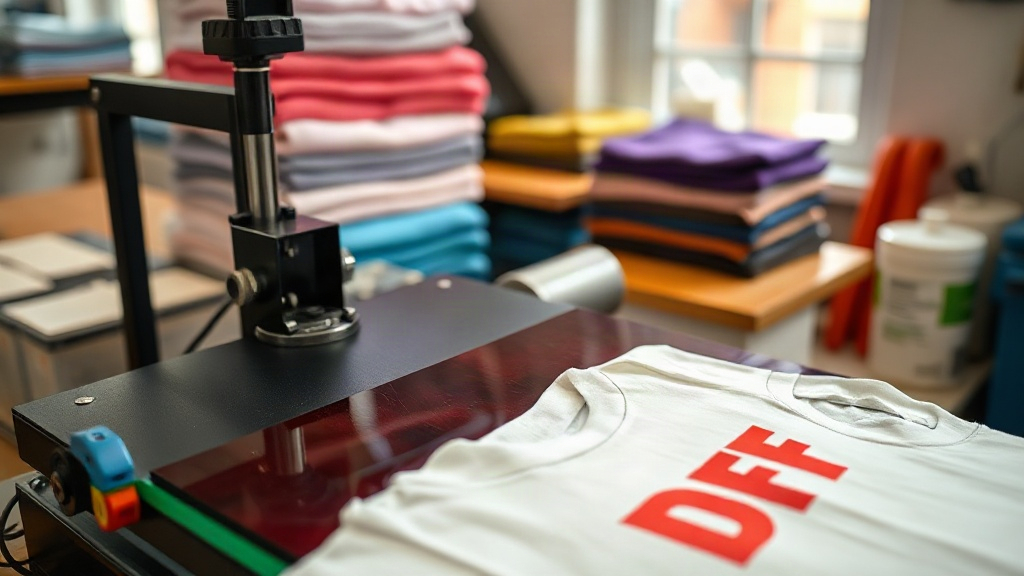
Imagine pressing a button and watching a vibrant, full-color design bond seamlessly to a fabric. That's the magic of DTF transfers. Unlike traditional screen printing that requires separate screens for each color, DTF (Direct to Film) printing uses a single transfer to apply intricate, multi-colored graphics onto various materials. This technology has opened doors for small businesses, hobbyists, and large manufacturers alike to create custom apparel with stunning detail. In this guide, we'll walk you through the DTF process, from design to finished garment, and highlight why choosing the right blank—like those from Shaka Wear and Smart Blanks—can make or break your project.
What Are DTF Transfers and How Do They Work?
DTF transfers are printed on a special film using water-based inks, then coated with a hot-melt adhesive powder. When heat and pressure are applied, the design adheres permanently to the fabric. This method works on cotton, polyester, blends, and even treated nylon, offering versatility that other printing methods can't match. The process involves several steps: designing, printing, powdering, curing, and pressing. Each step requires attention to detail, but the learning curve is manageable.
Step-by-Step DTF Transfer Process
- Design and Print: Create your artwork and print it onto DTF film using a DTF printer. The design is printed in reverse (mirrored) so it reads correctly after transfer.
- Powder Application: While the ink is still wet, apply hot-melt adhesive powder evenly over the design. Shake off excess powder.
- Curing: Place the film in a curing oven or under a heat press to melt the powder. This creates a dry, tacky surface.
- Transfer: Position the film on your garment and press with a heat press at recommended temperature and pressure. After pressing, peel the film away—either hot or cold, depending on the film type.
Once you master these steps, you can produce professional-grade apparel in-house, saving time and money compared to outsourcing.
Why DTF Transfers Are a Game-Changer for Custom Apparel
DTF transfers offer several advantages that make them a preferred choice for many creators. First, they eliminate color limitations. You can print photographic images, gradients, and fine details without worrying about color separation. Second, they're cost-effective for short runs. Unlike screen printing, which requires setup fees per color, DTF has no minimum order and low startup costs. Third, they're durable. When applied correctly, DTF prints withstand repeated washing without cracking or fading.
Moreover, DTF transfers adhere to a wide range of fabrics. Whether you're working with 100% cotton tees from Shaka Wear or polyester performance wear from Smart Blanks, you can achieve consistent results. This flexibility is invaluable for businesses that offer diverse product lines.
Choosing the Right Blanks: Shaka Wear and Smart Blanks
The quality of your blank garment significantly impacts the final outcome. Not all blanks are created equal; factors like fabric content, weight, and weave affect how well the transfer adheres and how the print feels. Two brands stand out in the custom apparel industry: Shaka Wear and Smart Blanks.
Shaka Wear: Premium Quality for Streetwear and Everyday Wear
Shaka Wear is renowned for its heavyweight cotton tees, hoodies, and fleece. Their garments are known for their durability, soft hand feel, and superior stitching. When you apply DTF transfers to Shaka Wear blanks, the results are exceptional: the prints look vibrant and feel smooth because the fabric provides a stable surface. Shaka Wear's consistent sizing and color range also make them a favorite among screen printers and DTF enthusiasts.
Smart Blanks: Affordable and Versatile Options
Smart Blanks offers a wide selection of budget-friendly apparel without compromising on quality. Their catalog includes t-shirts, tank tops, and sweatshirts in various colors and sizes. Smart Blanks garments are made from soft, ring-spun cotton and blends that take DTF transfers well. For startups or large orders, Smart Blanks provides an economical solution that doesn't skimp on comfort or printability.
Tips for Successful DTF Transfer Application
To ensure your DTF transfers look professional and last, follow these best practices:
- Pre-press your garment: Remove moisture and wrinkles by pressing the blank for a few seconds before applying the transfer. This improves adhesion.
- Use the right settings: Each film and powder combo has recommended temperature, pressure, and time. Typically, 300-325°F for 10-15 seconds with medium pressure works, but always check the manufacturer's guidelines.
- Peel correctly: Some films require hot peel, others cold. Peeling at the wrong temperature can ruin the transfer.
- Post-press for durability: After peeling, press the design again for a few seconds with a Teflon sheet or parchment paper to smooth the print and enhance washability.
- Wash inside out: Advise your customers to wash garments inside out in cold water and avoid fabric softeners to prolong the life of the print.
By mastering these techniques, you'll produce custom apparel that rivals professional print shops.
Common Challenges and How to Overcome Them
Even with the best materials, issues can arise. Here are some common problems and solutions:
- Peeling or cracking: Usually caused by insufficient pressure, wrong temperature, or inadequate powdering. Adjust your press settings and ensure even powder coverage.
- Faded colors: May result from under-curing the powder or using low-quality inks. Invest in reputable DTF supplies and follow curing instructions.
- Sticky residue: If the film leaves a tacky feel, you may have over-pressed or used too much powder. Reduce powder and check press time.
With practice, you'll quickly diagnose and fix these issues.
Frequently Asked Questions About DTF Transfers
Can I use DTF transfers on dark and light fabrics?
Yes, DTF transfers work on both dark and light fabrics. The white ink layer in the transfer provides a base that makes colors pop on dark garments, while on light fabrics, the design appears without a white outline unless desired.
How durable are DTF prints compared to screen printing?
When applied correctly, DTF prints are highly durable and can withstand many washes. They may feel slightly thicker than screen prints but are less prone to cracking. Proper washing and care extend their lifespan significantly.
Do I need a special printer for DTF transfers?
Yes, DTF printing requires a DTF printer that uses pigment inks and a film feeding system. However, you can also purchase pre-printed transfers from suppliers if you don't want to invest in a printer.
Which is better: Shaka Wear or Smart Blanks for DTF?
Both are excellent. Shaka Wear offers premium, heavyweight fabrics ideal for high-end streetwear, while Smart Blanks provides affordable, versatile options for budget-conscious projects. Your choice depends on your target market and budget.
Can I apply DTF transfers to polyester?
Absolutely. DTF transfers adhere well to polyester and blends. However, for 100% polyester, use lower pressing temperatures to avoid scorching or dye migration. Always test on a sample first.
With the right knowledge and materials, DTF transfers can elevate your custom apparel business. Whether you're printing on Shaka Wear tees or Smart Blanks hoodies, the combination of quality blanks and DTF technology ensures vibrant, long-lasting results that impress customers.