
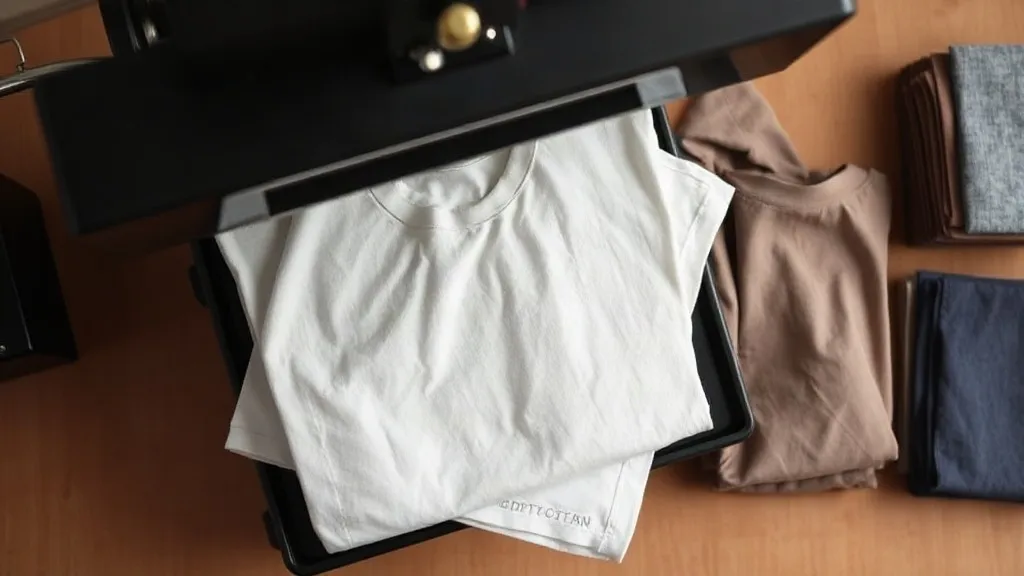
You've dialed in your dtf transfers settings, your powder is cured, and your press is calibrated. Then you pull the sheet and watch the design lift, crack, or fade after the first wash. Nine times out of ten, the culprit isn't the transfer. It's the shirt. Fabric choice is the quiet variable that decides whether a dtf print looks sharp for a season or peels off in a week. This guide walks through how fiber content, weave, color, and finish interact with DTF film and adhesive, so you can choose blanks with confidence and stop blaming your press.
Why Fabric Choice Matters More Than You Think
DTF works by transferring a printed design from a PET film onto fabric using a hot-melt adhesive powder. That adhesive needs something to grab onto. On cotton, the rough, porous surface gives the powder plenty of microscopic anchor points. On slick polyester, the same powder has to bond to a smooth, sometimes coated surface that actively resists sticking. The result is a print that may look fine on the press but fails when stretched, washed, or worn.
Fabric also moves. A cotton tee stretches a little; a spandex blend stretches a lot. If the adhesive can't stretch with the fabric, the print cracks along the stress lines. Understanding this relationship is the difference between a print that survives fifty washes and one that fails after five.
The Fiber Spectrum: Cotton, Poly, and Blends
100% Cotton: The Gold Standard for DTF
Cotton is the most forgiving substrate for dtf printing. Its natural fibers are absorbent and textured, which gives the adhesive powder a mechanical grip. Prints on cotton tend to feel soft, hold fine detail well, and survive repeated washing without much fuss. If you're new to DTF, start with 100% cotton blanks and get your process consistent before branching out.
One caveat: heavyweight cotton with a tight weave can sometimes need slightly more pressure to push the adhesive into the fiber. And ring-spun cotton, which is softer and smoother, may need a gentler peel than a standard carded cotton tee.
100% Polyester: Possible, But Picky
Polyester is where most DTF frustration lives. The fiber is smooth and often treated with a surface finish that helps dye sublimation but fights DTF adhesive. Low-quality poly can also shrink or scorch under the press. That said, polyester isn't off-limits. Look for poly blanks labeled as DTF-friendly or tested for heat transfer. A higher press temperature and slightly longer dwell can help, but you need to test each blank before committing to a bulk order.
Watch for color bleed, too. Cheap poly can release dye under heat, which shows through light-colored prints as a ghostly tint. A lower press temperature with a longer time helps, but the real fix is choosing better blanks.
Blends: The Middle Ground
Cotton-poly blends (50/50, 60/40, tri-blends) are popular because they combine softness with durability. For DTF, they behave somewhere between the two extremes. A 50/50 blend usually prints well, especially if the cotton content gives the adhesive something to bite. Tri-blends with rayon can be trickier because rayon is smooth and stretchy. Test a sample before you promise a customer a flawless result.
Weave and Texture: The Hidden Variable
Two shirts can both be 100% cotton and still behave differently under the press. Weave matters. A open-knit jersey gives the adhesive more surface area to grab. A tight, compact knit or a pique polo weave can be harder for the powder to penetrate, which leads to edge lifting. If you're printing on polos or structured garments, increase pressure slightly and consider a second short press to lock the edges.
Texture also affects how the print feels. On a smooth, fine-gauge cotton, a DTF print sits on top and can feel a bit plasticky if the design is large. On a rougher, slubby fabric, the print blends in better. If hand-feel is a priority for your customers, choose blanks with a bit of texture and keep large solid areas to a minimum.
Fabric Color and Print Opacity
DTF prints are opaque, which means they can cover dark fabrics without a white underbase. But not all whites are created equal. A thick, well-powdered print will block a black shirt completely. A thin print may let the fabric color tint the design, especially on stretchy fabrics where the ink film thins out. If you're printing on dark or brightly colored garments, use a slightly heavier ink laydown and make sure your powder coverage is even. Test on the actual garment color, not a white sample.
Stretch and Recovery: Printing on Performance Wear
Performance fabrics, spandex blends, and compression wear are the hardest test for DTF. These fabrics stretch in multiple directions, and the adhesive has to move with them. Standard DTF powder can crack under repeated stretch. If you're printing on activewear, look for stretch-friendly DTF film and powder, and consider a smaller design placed away from high-stress areas like the shoulder blades or knees. Always wash-test a sample before selling.
Practical Testing: How to Vet a New Blank
Before you commit to a new style, run a simple test. Print a small design with fine detail and a solid block of color. Press it according to your standard settings, then do the following:
- Peel test: Wait for the sheet to cool, then peel at a sharp angle. If the print lifts at the edges, the fabric may need more pressure or a different powder.
- Stretch test: Gently stretch the printed area. Cracking along the stretch lines means the adhesive isn't flexible enough for that fabric.
- Wash test: Wash the garment inside out in cold water, then tumble dry low. Check for peeling, fading, and cracking after one, three, and five cycles.
- Scratch test: Run a fingernail across the print. If it flakes, the powder didn't fully cure or the fabric surface is too slick.
Keep notes on each blank you test. Over time, you'll build a shortlist of fabrics that work reliably with your setup, which saves time and reduces waste.
Matching Fabric to Your Customer's Needs
Think about how the garment will be used. A promotional tee that gets worn a few times a year has different demands than a work shirt that gets washed weekly. For heavy-use items, prioritize cotton or high-cotton blends with a proven track record. For fashion pieces where hand-feel matters most, choose soft, textured fabrics and keep print sizes moderate. And for performance wear, be honest with customers about lifespan and care instructions. Setting expectations upfront prevents returns later.
If you're sourcing blanks locally, ask suppliers for fabric specs and any heat-transfer recommendations. Many distributors publish guides that tell you which decorations work best on each style. Use them, but always verify with your own test prints.
When to Source Locally vs. Online
If you're searching for dtf transfers near me, you're likely looking for a supplier who can turn around small batches quickly. Local sourcing has advantages: you can feel the fabric before you buy, ask questions in person, and avoid shipping delays. Online suppliers often have better pricing and wider selection, but you can't inspect the goods. A hybrid approach works well: buy a sample pack online, test the fabrics, then place bulk orders with the supplier who consistently delivers quality.
For DTF-specific needs, look for suppliers who clearly state which fabrics their transfers are tested on. A supplier who understands fabric compatibility is worth more than one who simply sells the cheapest film.
Common Fabric Mistakes That Ruin Prints
Even experienced printers slip up. Here are the mistakes I see most often:
- Assuming all cotton is the same. Weave, finish, and dye content vary widely. Always test.
- Printing on unwashed garments. Some fabrics carry sizing or manufacturing residue that blocks adhesion. A quick pre-wash can help, but check with the blank supplier first.
- Ignoring fabric shrinkage. If the garment shrinks after the first wash, the print may crack even if the adhesive held. Pre-shrink or choose low-shrink blanks.
- Using the same press settings for every fabric. Cotton and poly need different temperatures and times. Keep a cheat sheet and adjust.
- Skipping the stretch test on stretchy fabrics. A print that looks perfect on the press can fail the first time someone puts the shirt on.
Frequently Asked Questions
Can you do DTF transfers on 100% polyester?
Yes, but it requires more care. Polyester's smooth surface makes adhesion harder, so use a DTF-friendly poly blank, increase pressure slightly, and test for dye bleed. Lower-quality poly may not hold up to repeated washing.
What fabric holds DTF prints best?
100% cotton performs most reliably. Its textured, absorbent fibers give the adhesive powder a strong mechanical grip, and prints tend to stay soft and durable through many washes.
Do DTF transfers work on stretchy fabrics like spandex?
They can, but standard DTF powder may crack under heavy stretch. Use stretch-friendly film and powder, keep designs small, and avoid placing prints over high-stress areas. Always wash-test a sample before selling.
How do I test if a fabric is compatible with DTF?
Print a small test design, press it, then do a peel test, stretch test, and wash test. Check for edge lifting, cracking, and fading after each wash. Keep notes so you can compare blanks over time.
Why does my DTF print look faded on dark fabric?
Fading on dark fabric usually means the ink layer is too thin or the powder coverage is uneven. Increase ink laydown slightly, ensure even powder application, and test on the actual garment color rather than a white sample.