
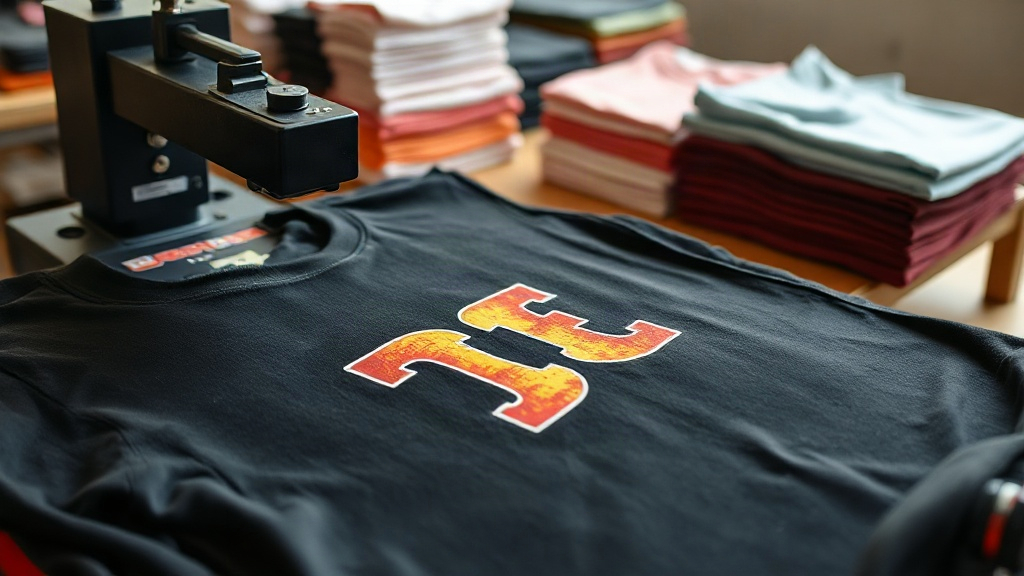
When you first dive into the world of custom apparel, the options can feel overwhelming. Screen printing, heat transfer vinyl, sublimation, and now DTF transfers. Each method has its strengths, but DTF (direct-to-film) has quickly become a favorite for creators who want photographic detail, vibrant colors, and the ability to print on almost any fabric without the hassle of weeding or color limitations. In this guide, we'll walk through everything you need to know about DTF transfers, from choosing the right blank garments to nailing the application process. We'll also spotlight two blank brands that have earned a solid reputation in the printing community: Shaka Wear and Smart Blanks.
What Are DTF Transfers and Why They Matter
DTF transfers are printed on a special film using water-based inks, then dusted with a hot-melt adhesive powder. After curing, the transfer is ready to be applied to fabric with a heat press. Unlike DTG (direct-to-garment) printing, which requires pretreating and works best on 100% cotton, DTF adheres to a wide range of materials, including polyester, blends, and even nylon. This versatility opens up a world of possibilities for garment decorators.
The process eliminates the need for separate screens or color separations, making it cost-effective for short runs and complex designs. Plus, the prints are stretchable and durable, holding up well after multiple washes when applied correctly.
How DTF Transfers Differ from Other Methods
Compared to screen printing, DTF shines for multi-color designs without the setup costs. Unlike vinyl, you don't need to weed intricate details. And unlike sublimation, you can print on dark cottons without a specialized coating. The result is a soft-feel print with excellent opacity, even on dark backgrounds.
Choosing the Right Blank Garment for DTF
Not all blanks are created equal. The fabric content, weave, and color can affect how your DTF transfer looks and feels. For best results, look for garments with a smooth surface and minimal texture. Ringspun cotton and cotton-poly blends are ideal because they allow the adhesive to bond evenly.
Two brands that consistently deliver quality are Shaka Wear and Smart Blanks. Let's explore what makes them stand out.
Shaka Wear: Streetwear Staples
Shaka Wear has become a go-to for urban and streetwear brands. Their heavyweight cotton tees, like the Shaka Wear Max Heavyweight, offer a boxy fit and durable construction that holds up to DTF printing beautifully. The fabric's tight knit prevents the print from sinking in, resulting in crisp lines and vibrant colors. Whether you're printing a bold graphic or a detailed photo, Shaka Wear blanks provide a reliable canvas.
Smart Blanks: Affordable and Consistent
Smart Blanks is another trusted name, known for their soft, ringspun cotton tees at wallet-friendly prices. Their blanks are pre-shrunk and have a smooth surface, making them perfect for DTF transfers. The consistent sizing and wide color range make them a favorite for bulk orders, from team uniforms to promotional giveaways.
Step-by-Step DTF Transfer Application
Applying a DTF transfer is straightforward, but attention to detail is key. Here's how to get professional results every time.
1. Prepare Your Workspace
Set your heat press to the recommended temperature, usually between 300°F and 325°F (150°C to 160°C). Pre-press the garment for a few seconds to remove moisture and wrinkles. This step ensures a smooth surface for the transfer to adhere to.
2. Position the Transfer
Place the DTF transfer on the garment with the printed side facing up. If your transfer has a white backing, that's the adhesive side; it should face down against the fabric. Use heat tape if necessary to keep it in place.
3. Press and Peel
Apply medium to firm pressure for 10-15 seconds. For a matte finish, you can peel the film hot; for a glossier look, wait until it cools completely. Peeling hot often gives a slightly softer hand, while cold peel can enhance durability. Experiment to see what works best for your setup.
4. Post-Press for Durability
After peeling, cover the print with a Teflon sheet or parchment paper and press again for 5-10 seconds. This post-press ensures the adhesive fully bonds and improves washability.
Common DTF Problems and How to Fix Them
Even with experience, issues can arise. Here are a few common problems and their solutions.
- Print peeling after wash: Usually caused by insufficient pressure or temperature. Increase pressure and ensure even coverage.
- Cracking: Often due to overstretching the garment during application or using too high a temperature. Lower the temp and stretch the fabric slightly before pressing.
- Dull colors: May happen if the transfer is undercured. Check your curing parameters and consider a longer press time.
- Adhesive residue on the film: If the film doesn't peel cleanly, it might be a sign of undercuring or insufficient cooling. Try a cold peel.
Why DTF Transfers Are a Game-Changer for Small Businesses
For small print shops and solo entrepreneurs, DTF offers a low barrier to entry. You can start with a modest printer and heat press, and scale up as demand grows. The ability to print on demand reduces inventory waste, and the durability of the prints keeps customers coming back. Plus, with blanks like Shaka Wear and Smart Blanks, you can offer premium quality without breaking the bank.
Frequently Asked Questions About DTF Transfers
Can I use DTF transfers on 100% polyester?
Yes, DTF works well on polyester. However, because polyester is heat-sensitive, use a lower temperature (around 280°F to 300°F) and a shorter press time to avoid scorching or dye migration. Always test on a scrap piece first.
How do I store unused DTF transfers?
Keep them in a cool, dry place away from direct sunlight. Storing them flat or in a protective sleeve prevents the film from curling or getting contaminated with dust, which can affect adhesion.
What is the best way to wash a DTF-printed garment?
Turn the garment inside out and machine wash cold with mild detergent. Avoid bleach and fabric softeners, which can degrade the adhesive. Tumble dry low or hang dry for best longevity.
Do I need a special printer for DTF transfers?
You can convert a standard inkjet printer to use DTF inks, but dedicated DTF printers are available and offer better reliability and color vibrancy. If you're just starting, a converted printer may suffice, but for higher volume, invest in a purpose-built machine.
Can I layer DTF transfers for a multi-color design?
Absolutely. DTF transfers can be layered, but it's best to design your artwork as a single transfer when possible. If layering, press each layer separately and ensure proper adhesion before adding the next.
With the right knowledge and tools, DTF transfers can elevate your custom apparel game. Whether you're printing on Shaka Wear tees or Smart Blanks hoodies, the combination of quality blanks and DTF technology delivers results that impress.