
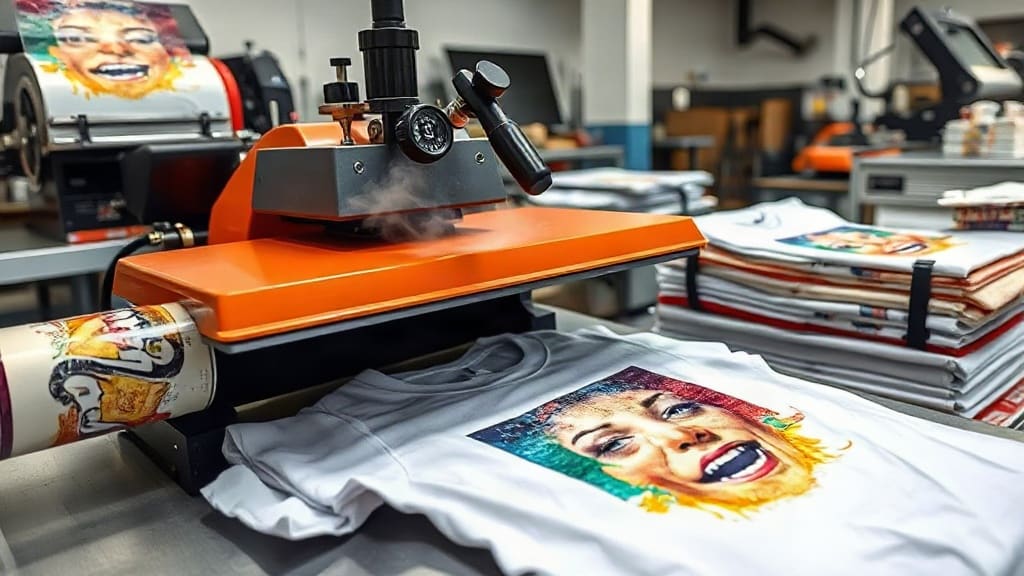
DTF transfers have taken the custom printing world by storm, offering a versatile and durable way to create vibrant designs on a variety of fabrics. Whether you're a hobbyist looking to personalize t-shirts or a business owner seeking efficient production methods, understanding this technology can open new doors. In this guide, we'll walk you through what they are, how they work, and how to get the best results.
What Are DTF Transfers?
DTF stands for Direct to Film. It's a printing method where a design is printed onto a special PET film, coated with adhesive powder, and then heat-pressed onto fabric. The result is a flexible, stretchable, and wash-resistant print that feels soft to the touch.
Unlike traditional screen printing, which requires separate screens for each color, DTF printing is digital. This means you can reproduce intricate, full-color designs with gradients and fine details without extra setup costs. It's an ideal solution for small runs and complex artwork.
How Does the DTF Process Work?
The process involves several key steps, each crucial to achieving a quality transfer. Here’s a simple breakdown:
- Design and Print: Your artwork is printed in reverse onto a PET film using a specialized DTF printer with CMYK+White inks. The white ink acts as a base to ensure colors pop on dark garments.
- Adhesive Application: While the ink is still wet, a hot-melt adhesive powder is applied over the printed area. This powder is what bonds the design to the fabric.
- Powder Melting: The film is passed through a curing oven or heat press to melt the powder, creating a tacky surface.
- Transfer and Press: The film is placed on the garment, adhesive side down, and pressed with a heat press at the right temperature and pressure.
- Peeling: After cooling, the film is peeled away, leaving the vibrant design permanently embedded in the fabric.
Why Choose DTF Transfers?
So, what makes DTF transfers stand out from other printing methods? Let’s look at some advantages:
- Versatility: You can print on cotton, polyester, blends, and even leather or denim, opening a wide range of products.
- Durability: With proper application, DTF prints can withstand many washes without fading or cracking, making them great for workwear and sports apparel.
- No Weeding: Unlike vinyl, there's no tedious weeding required. The entire design is transferred as one piece, saving time.
- Soft Hand Feel: The prints are thin and flexible, so you don't get that stiff, plastic-like feel common with some vinyls.
- Cost-Effective for Short Runs: Since there are no setup fees, DTF is economical even for one-off items or small batches.
DTF vs. Other Methods: A Quick Comparison
To help you decide if DTF is right for you, let’s compare it with other popular techniques:
DTF vs. Screen Printing
Screen printing is renowned for its vibrant colors and durability, especially on large orders. However, it requires screens and setup, making it cost-effective only for bulk quantities. DTF shines for small runs and complex designs, though it might not match the ink thickness of screen printing on certain textures.
DTF vs. Sublimation
Sublimation works only on polyester or polymer-coated surfaces, infusing the ink into the material. It produces permanent, breathable prints, but it's limited by fabric type. DTF works on cotton and blends, giving you more freedom, though sublimation is still superior for all-over prints on performance wear.
DTF vs. HTV (Heat Transfer Vinyl)
HTV is great for simple designs and names, but it requires weeding and is not ideal for intricate, multi-colored graphics. DTF eliminates weeding and allows photorealistic images, making it a more efficient choice for complex artwork.
Tips for Ordering DTF Transfers
Whether you're printing yourself or ordering from a service like dtfcrafters.com, these tips will help you get the best results:
- Use High-Resolution Files: Aim for at least 300 DPI to ensure crisp details. Blurry images won't magically become sharp.
- Incorporate White Ink: For dark garments, your design needs a white underbase. Most DTF printers automatically add this, but ensure your file is set up correctly.
- Check Color Modes: Use CMYK or RGB? DTF printers work best with CMYKPlusWhite, but you can convert from RGB. Just be aware of potential color shifts.
- Consider Sizing: Larger transfers may require special handling. Keep the design proportional to the garment area.
- Ask for a Proof: Before bulk ordering, request a sample to check colors and quality.
How to Apply DTF Transfers Correctly
For flawless results, follow these application steps:
- Pre-Press the Garment: Heat press the shirt for 2-3 seconds to remove moisture and wrinkles.
- Position the Transfer: Place the film on the garment with the design facing up (the white adhesive side is face down).
- Set Temperature and Time: Typically, 160-170°C (320-338°F) for 10-15 seconds at medium pressure. Always check the manufacturer's recommendations.
- Peel Hot or Cold? Some films are hot-peel, others are cold-peel. Most DTF transfers require cold peeling, so wait until the film is cool to the touch before removing.
- Press Again (Optional): For extra durability, some printers recommend pressing with a silicone sheet or parchment paper for a few seconds after peeling.
Caring for DTF Printed Garments
To maximize the life of your prints, instruct customers to wash garments inside out in cold water and avoid using bleach or fabric softeners. Tumble drying on low is fine, but high heat can degrade the adhesive over time.
Common Mistakes and How to Avoid Them
- Not Pre-Pressing: Skipping this can trap moisture, leading to poor adhesion.
- Wrong Temperature: Too low and the adhesive won't activate; too high and it can scorch the fabric or crack the print.
- Pressure Issues: Uneven pressure causes parts of the design not to stick. Make sure your press is calibrated.
- Peeling Too Early: Peeling hot can cause the ink to stick to the film and tear. Be patient.
Environmental Considerations
DTF printing is relatively eco-friendly compared to screen printing, as it produces less waste and uses water-based inks. However, the PET film is not biodegradable, so be sure to recycle it properly. Some suppliers offer compostable films, so it's worth asking.
Frequently Asked Questions
Can DTF transfers be used on any fabric?
Yes, DTF works on cotton, polyester, nylon, and blends. It's especially popular for cotton t-shirts because other methods like sublimation don't work well on natural fibers.
How many washes can a DTF transfer withstand?
With proper application and care, DTF prints can last for 50+ washes without significant fading or cracking. The key is to follow the heating instructions and use quality materials.
Do I need a special printer for DTF?
Yes, you need a printer that can handle white ink and has a bulk ink system. There are dedicated DTF printers available, or you can convert some models. Alternatively, you can order transfers from a professional service.
What is the difference between DTF and DTG?
DTG (Direct to Garment) prints directly onto the shirt, while DTF prints onto a film first. DTF is faster for orders because you can print multiple transfers at once and press them later. DTG is better for very large orders but requires pretreating and has slower production.
Can I make DTF transfers at home?
Yes, with the right equipment, you can produce DTF transfers at home. You'll need a DTF printer, PET film, adhesive powder, a heat press, and some practice. It's a fun and rewarding process.
Final Thoughts
DTF transfers are a game-changer for anyone who loves custom apparel. They offer unmatched versatility, durability, and ease of use. Whether you're starting a small business or just want to create unique gifts, this method is worth exploring. By following the tips in this guide, you'll be well on your way to producing professional-looking prints that stand the test of time.
We hope this article has been helpful. If you have any questions, don't hesitate to reach out to us. Happy printing!