
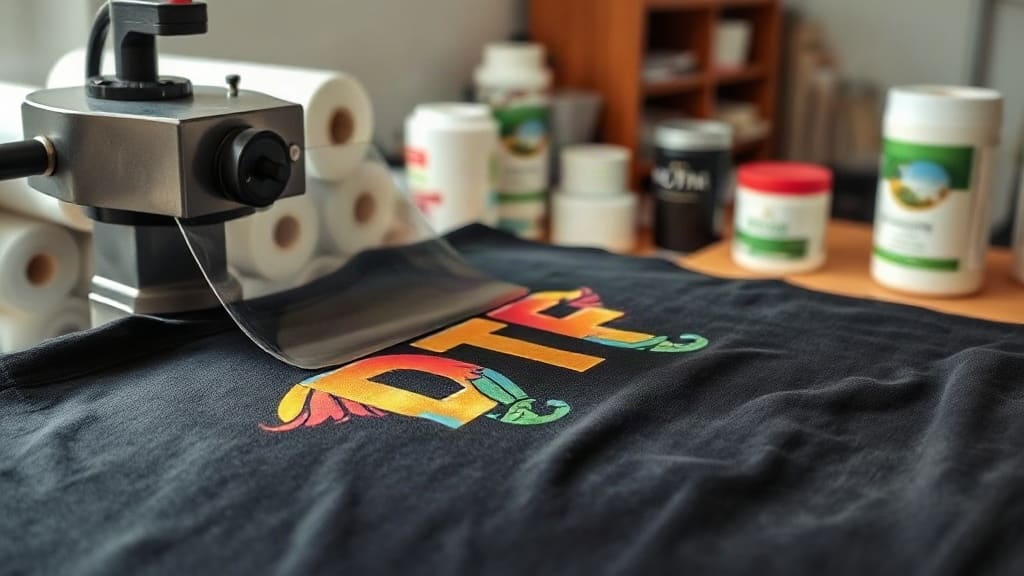
If you are in the custom apparel business, you have probably heard about DTF (Direct to Film) printing. It is one of the most versatile and cost-effective ways to create vibrant, durable transfers. But finding the right printing partner can be tricky. Many business owners start by searching "DTF transfers near me" in hopes of finding a local shop that offers fast turnaround and good prices. While proximity is convenient, it is not the only factor that matters. In this guide, I will share what I learned from working with various suppliers, what to inspect before placing a bulk order, and how to build a long-term relationship that benefits your business.
Why DTF Transfers Have Become So Popular
DTF transfers have revolutionized small-batch production. Unlike screen printing, you do not need screens or setup fees. Unlike vinyl, you can print full-color designs with gradients and even photographic details. The process is simple: print the design on a special PET film, apply adhesive powder, cure it, and then heat press it onto your garment. The result is a soft, stretchy, and wash-resistant print that works on cotton, polyester, blends, and even harder surfaces like tote bags or caps.
Because the barrier to entry is low, many small businesses and home-based entrepreneurs have started using DTF. However, not all transfer suppliers are equal. The quality can vary dramatically, and a bad batch can ruin your reputation. That is why it is crucial to evaluate potential suppliers carefully, even if they are just around the corner.
What to Look for in a Local DTF Supplier
When you search for "DTF transfers near me," you will likely see a mix of large commercial printers and small home-based operators. Both can produce excellent work, but they have different strengths. Here are the key criteria to assess.
Quality of Prints and Materials
The first thing to examine is the transfer itself. Ask for samples and test them on the types of garments you typically use. Look for:
- Color vibrancy: Are the colors rich and true to the original design? Faded or muddy colors indicate poor ink or printing settings.
- Adhesive coverage: The powder must be evenly applied. If you see patchy areas, the transfer may not adhere well.
- Film quality: The PET film should be clear or slightly frosted, without cracks or wrinkles. A good film releases cleanly after pressing.
- Wash test: Wash a sample at least five times. Quality DTF transfers should not crack, peel, or fade significantly.
Do not rely solely on the supplier's claims. Run your own tests because your customers will hold you accountable for the final product.
Turnaround Time and Reliability
One advantage of a local supplier is the possibility of same-day or next-day pickup. But that is not guaranteed. Ask about their production schedule. Do they have a queue? How many orders do they handle daily? What is their policy for rush orders? A reliable partner communicates clearly about timelines and meets deadlines consistently.
In my experience, I once had a supplier who promised 48-hour delivery but took a week. That caused a cascading disaster for my own customers. Now I always ask for a written guarantee or at least a clear estimate before committing.
Pricing and Hidden Costs
Price is always a factor, but do not let it be the only one. Compare quotes from at least three suppliers. Look at the cost per transfer, but also consider:
- Minimum order quantities (some require 10, 20, or 50 pieces).
- Setup or artwork fees (some charge extra for color correction or file preparation).
- Shipping or delivery costs, if you are not picking up.
- Discounts for volume or repeat orders.
Be wary of prices that seem too low. They often indicate lower-quality ink, thinner film, or rushed labor. A cheap transfer that fails after a few washes is not a bargain. You need a balance of affordability and durability.
Customer Service and Communication
When you visit or call a potential supplier, notice how they treat you. Are they eager to answer questions? Do they offer advice on file setup or garment selection? Good customer service is a sign of a professional operation. You want a partner who helps you solve problems, not one who disappears after the sale.
Ask about their return or replacement policy. If a transfer is defective, will they reprint it free of charge? A confident supplier will stand behind their product.
How to Compare Different DTF Transfer Providers
Once you have a shortlist of local suppliers, it is time to compare them objectively. Create a simple scorecard with criteria like quality, price, turnaround, communication, and location. Weigh each factor according to your business needs.
For example, if you frequently need last-minute orders for events, turnaround might be your top priority. If you sell premium apparel, quality could be more important than price. Use the scorecard to make an informed decision, not just an emotional one.
Requesting Samples and Test Orders
Before ordering in bulk, always request a small test order. This is non-negotiable. Most reputable suppliers will provide samples for a nominal fee or even free. Use the same design and garment you plan to sell. Press it yourself with your equipment to ensure compatibility.
Keep notes on your test results. Compare the samples side by side after washing. This will give you a clear visual and tactile comparison. Do not skip this step, even if the supplier comes highly recommended.
Checking Reviews and Reputation
In addition to your own tests, look for reviews online. Search for the supplier's name plus "reviews" or "complaints." Check social media pages and local business directories. But be cautious: some reviews are fake or paid. Look for patterns. If multiple customers mention peeling after a few washes, take that seriously.
Also, ask for references from other local businesses. A supplier who is proud of their work will gladly share contact information of happy clients. Reach out to those references and ask about their experience.
Workflow Considerations When Using a Local DTF Supplier
Once you choose a supplier, establish a smooth workflow. This will save time and reduce errors.
Preparing Your Artwork Correctly
Good artwork is the foundation of a great transfer. Ensure your files are high-resolution (300 DPI), in CMYK or RGB, and include any necessary color profiles. If you are not sure, ask your supplier for their preferred format. Most accept PNG, PDF, or AI files. Avoid sending low-resolution images from the web.
Also, consider the design size and placement. DTF can print on large areas, but keep in mind the garment's size and the press platen. A design that is too big may cause wrinkles or poor adhesion at the edges.
Ordering and Tracking
Set up a consistent ordering process. Some suppliers have online portals, while others require email or phone orders. Understand their lead times and deadlines. For example, if you need transfers by Friday, you might need to order by Wednesday.
Keep records of your orders: design files, quantities, sizes, and dates. This will help you reorder quickly and track your costs.
Receiving and Inspecting Deliveries
When you receive your order, inspect it immediately. Check that the quantities match, the transfers are undamaged, and the colors are correct. If something is wrong, report it right away. Most suppliers have a time window for claims, so do not delay.
Store your transfers flat, away from heat and humidity. A cool, dry place is ideal. If you stack them, use parchment paper between layers to prevent sticking.
Cost-Benefit Analysis: Local vs. Online Suppliers
While local suppliers offer convenience, online suppliers often provide lower prices due to economies of scale. However, factor in shipping costs and longer lead times. For urgent orders, local is unbeatable. For large, non-urgent batches, online might be more cost-effective.
Consider a hybrid approach: keep a local supplier for rush jobs and small orders, and use an online printer for bulk quantities. This gives you flexibility and cost savings. But manage your relationships carefully to avoid conflicts of interest.
In my own business, I use a local shop for samples and quick reorders, while I order my main stock from an online supplier that offers bulk discounts. This strategy has worked well, as long as I plan ahead for the longer shipping times.
Building a Long-Term Partnership
Once you find a reliable local supplier, nurture that relationship. Communicate regularly, pay on time, and provide feedback. A good supplier will appreciate your loyalty and may offer you better pricing or priority service.
Share your sales forecasts with them if possible. This helps them plan their production and ensures they can meet your demand during peak seasons. In return, they may keep your files on hand and offer faster turnaround.
Remember, a successful partnership is based on trust and mutual benefit. Do not switch suppliers over a few cents without considering the hidden costs of changing: retesting samples, learning a new ordering process, and building trust again.
Final Tips for Choosing Your DTF Transfer Supplier
To sum up, here are actionable steps you can take today:
- Search online for "DTF transfers near me" and list at least five candidates.
- Visit their websites or social media pages to see their work.
- Call or visit them to ask about pricing, turnaround, and quality.
- Request samples and run your own tests.
- Compare your results using a scorecard.
- Start with a small test order before committing to a large one.
- Build a relationship and communicate openly.
Finding the right supplier takes time and effort, but it is worth it. The quality of your transfers directly affects your brand's reputation. Do not settle for mediocre DTF just because they are close by. The best supplier is one that consistently delivers high-quality, durable prints, whether they are around the corner or across the country.
I hope this guide helps you make a confident decision. Remember to always test, compare, and build strong partnerships. Your customers will thank you for it.
Frequently Asked Questions
What does DTF transfer mean?
DTF stands for Direct to Film. It is a printing method where a design is printed onto a special film, coated with adhesive powder, and then heat pressed onto a garment. The film is peeled away, leaving a durable, full-color print.
How long do DTF transfers last?
With proper application and care, DTF transfers can last for many washes. Typically, they remain vibrant and intact for 50 to 100 wash cycles, depending on the garment material and laundry conditions. Always follow care instructions like washing in cold water and avoiding bleach.
Can I use DTF transfers on dark garments?
Yes, DTF works exceptionally well on dark fabrics because you can print a white underbase layer. This ensures that the colors pop and do not get absorbed by the dark fabric. Just make sure the supplier prints enough white ink for opacity.
How much do DTF transfers cost per piece?
The cost varies based on size, quantity, and supplier. On average, a small transfer (about 4x4 inches) might cost $1 to $2 per piece, while larger transfers can cost $3 to $6. Bulk orders typically reduce the per-unit price. Always get quotes from multiple suppliers.
What is the difference between DTF and DTG printing?
DTG (Direct to Garment) prints directly onto the shirt using a specialized inkjet printer. It is excellent for detailed, one-off designs but slower and more expensive for bulk orders. DTF prints onto a film first, which is then transferred. DTF is more versatile because you can print on various fabrics and store the transfers for later use.