
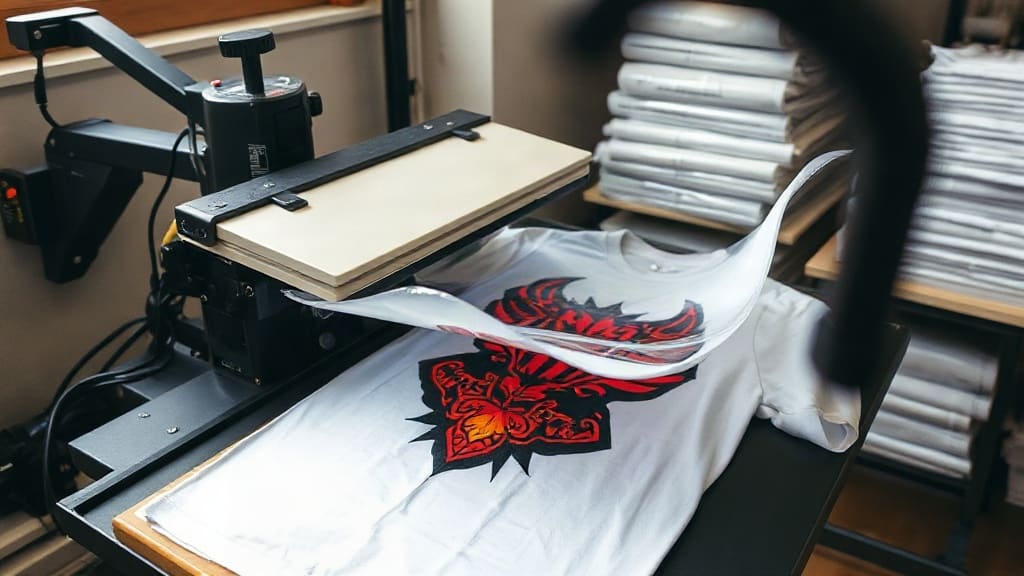
If you're in the custom apparel game, you've likely heard about DTF (Direct to Film) printing. It's a versatile method that lets you print vibrant designs onto films and then transfer them to shirts, hoodies, bags, and more. But when you're starting out or scaling up, one question keeps popping up: where do you find the best DTF transfers? And more specifically, how do you locate DTF transfers near me that offer both quality and speed?
In this guide, I'll walk you through everything you need to know about sourcing DTF transfers locally, from understanding the process to evaluating suppliers. I'll also share some insider tips on how to get the most value for your money, whether you're a hobbyist or running a full-scale print shop.
What Are DTF Transfers and Why Are They So Popular?
Before we dive into the 'near me' part, let's briefly recap what DTF transfers are. DTF printing involves printing a design onto a special PET film using water-based inks and adhesives. The printed film is then coated with a hot-melt adhesive powder, which is shaken off and dried. When you're ready to apply, you place the film on your garment, apply heat and pressure with a heat press, and peel the film away. The result is a soft, durable, and vibrant print that can be applied to a wide range of fabrics, including cotton, polyester, and even blends.
The beauty of DTF is that it eliminates the need for pre-treatment, and it works well on dark-colored shirts without a white underbase. That's why so many entrepreneurs are turning to DTF transfers for their custom apparel projects.
Why Look for Local DTF Transfers?
When you search for DTF transfers near me, you're likely after a few key benefits:
- Faster turnaround: Local suppliers can often turn around orders much quicker than online companies that ship from across the country or internationally.
- Lower shipping costs: You save on shipping fees and avoid potential delays.
- Easier communication: You can speak directly with the person producing your transfers, ask for samples, and get immediate feedback.
- Support local business: By choosing a nearby provider, you're contributing to your local economy.
But 'near me' doesn't always mean 'best'. Let's explore how to find and vet local providers effectively.
How to Find DTF Transfer Providers in Your Area
If you're wondering how to locate DTF transfers near me, here are some tried-and-true methods:
1. Use Online Directories and Maps
Start with simple searches on Google Maps or Yelp. Type in 'DTF transfers near me' and you'll see a list of businesses. Look for ones with good reviews and photos of their work. Pay attention to the overall rating and the number of reviews. A business with hundreds of reviews is likely more established than one with just a few.
2. Check Local Craft and Apparel Groups
Join local Facebook groups or forums for print shop owners, crafters, and apparel decorators. Often, members share recommendations for local suppliers. You can also ask for referrals from other small business owners in your area who sell custom T-shirts or similar products.
3. Visit Local Print Shops
Don't overlook traditional screen printing shops. Many are adding DTF capabilities to their services. Give them a call or visit in person to ask if they offer DTF transfers for wholesale or retail purchase.
4. Attend Local Trade Shows and Networking Events
Industry events and local business meetups are great places to connect with suppliers. You can see samples, discuss pricing, and build relationships face-to-face.
What to Look for in a DTF Transfer Supplier
Once you have a list of potential local providers, you need to evaluate them. Here are the critical factors to consider:
Quality of Prints
Ask for samples or order a small test run. Look for:
- Color vibrancy and accuracy
- Sharpness of edges and details
- Softness of the transfer on the fabric
- Durability after washing (ask for wash test results)
A reliable supplier will be happy to provide samples. Remember, the quality of the DTF transfer can make or break your product, so don't compromise.
Turnaround Time
How quickly can they produce your transfers? If you're fulfilling orders, you need a supplier who can meet your deadlines. Inquire about their standard turnaround and whether they offer rush services for an extra fee.
Pricing Structure
Understand their pricing model. Some charge per print, while others have setup fees or minimum order quantities. Make sure to get a detailed quote that includes all costs, such as film, powder, and lamination (if any).
Customer Service
How responsive are they? Do they answer your questions clearly? A good supplier will guide you through the process, offer design advice, and troubleshoot issues with you.
DIY vs. Professional DTF Transfers
One of the biggest decisions is whether to create your own DTF transfers or outsource them. If you're just starting out, it might be tempting to buy a DTF printer and make your own. But let's weigh the pros and cons:
DIY DTF Printing
Pros:
- Full control over production
- Lower cost per transfer if you print high volumes
- Faster turnaround for last-minute orders
Cons:
- High upfront investment (printer, powders, films, heat press)
- Steep learning curve for color management and troubleshooting
- Space and maintenance requirements
Professional DTF Transfer Services
Pros:
- No upfront equipment costs
- Access to professional-grade equipment and expertise
- Scalability without worrying about breakdowns
Cons:
- Ongoing costs per transfer
- Dependency on supplier's schedule
- Less flexibility for last-minute changes
For many small businesses, using a local professional service is the smartest way to go, especially when you're testing the waters or don't have the capital for equipment.
How Much Do DTF Transfers Cost?
Pricing varies widely depending on size, complexity, and quantity. On average, you might pay between $1.50 and $5.00 per transfer for a standard 8x10 inch print. Larger prints or those with many colors will cost more. Many suppliers offer volume discounts, so the more you order, the cheaper each transfer becomes.
To get the best value, ask for a price list or request a quote based on your typical design sizes and quantities. Remember, the cheapest option isn't always the best if it means sacrificing quality.
Tips for Working with a Local DTF Transfer Provider
Once you've chosen a supplier, here are some tips to ensure a smooth working relationship:
- Provide high-resolution files (300 DPI) to avoid pixelation.
- Clearly communicate your color expectations and any special instructions.
- Order a sample run before placing a large order.
- Ask about their return or reprint policy for defective transfers.
- Build a good rapport, as they may offer priority service to regular customers.
Common Mistakes to Avoid When Sourcing DTF Transfers
Even with a great supplier, things can go wrong. Here are some pitfalls to avoid:
- Ignoring the pre-press check: Always test a transfer on a scrap garment before pressing your entire order.
- Not confirming color accuracy: Colors can vary between monitors and prints. Ask for a physical proof if possible.
- Overlooking the peel process: Make sure you understand the correct peeling technique (hot or cold) for the specific transfer you're using.
- Forgetting to pre-press your garments: This removes moisture and wrinkles, ensuring a better transfer.
Future Trends in DTF Transfers
The DTF industry is evolving rapidly. Keep an eye on these trends:
- Eco-friendly materials: Manufacturers are developing films and powders that are more sustainable.
- Automated production: Some suppliers are using robots to handle the film and powder process, increasing efficiency.
- Better white ink formulations: These provide higher opacity and stretchability.
By staying informed, you can make the most of this technology.
Conclusion
Finding high-quality DTF transfers doesn't have to be a headache. By focusing on local options, you can enjoy faster turnaround, better communication, and support your community. Remember to evaluate suppliers based on quality, turnaround, pricing, and customer service. And don't forget to test samples before committing to large orders.
Whether you're a seasoned pro or just starting out, the right DTF transfer provider can make all the difference in your business. So, start your search today, and you'll be pressing beautiful, durable designs in no time.
Frequently Asked Questions
What is the difference between DTF and screen printing?
Screen printing involves pushing ink through a mesh stencil onto the garment. It's great for large orders and simple designs but requires significant setup. DTF printing, on the other hand, prints onto a film that is then heat-transferred. It's more versatile for full-color designs and has no screen setup, making it ideal for small to medium runs and fast turnaround.
Can I use DTF transfers on any fabric?
Yes, DTF transfers work on most fabrics, including cotton, polyester, blends, and even performance wear. However, they adhere best to materials with a smooth surface. For rough textures like heavy fleece or canvas, test first. Also, ensure the fabric can withstand the heat press temperature (around 320°F) and pressure.
How long do DTF transfers last?
With proper care, DTF transfers can last as long as the garment itself. They are highly durable and can withstand many washes. To extend their life, wash garments inside out in cold water and avoid using chlorine bleach. Tumble dry on low or hang dry.
Can I get custom DTF transfers with my own design?
Absolutely. Most DTF transfer providers, including local ones, accept custom artwork. You'll need to provide a high-resolution file (PNG, JPEG, or PDF) with a transparent background if possible. They'll handle the rest, including color matching and printing. Some also offer design assistance for an extra fee.
Are DTF transfers safe for use on children's clothing?
Yes, DTF transfers are non-toxic and safe for children's clothing. They are PVC-free and phthalate-free, making them a safer alternative to some other printing methods. Always follow the manufacturer's instructions for application and care to ensure safety.