
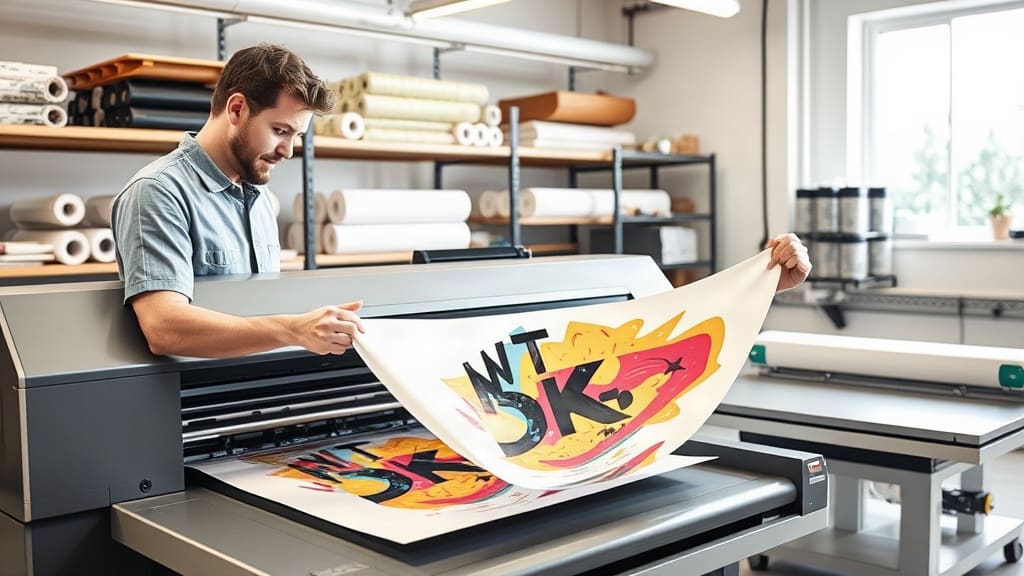
When you type dtf transfers near me into Google, you're probably hoping to find a reliable local supplier who can deliver high-quality prints fast. But not all DTF (Direct to Film) printers are created equal. As someone who has spent years in the custom apparel industry, I've seen both outstanding and disastrous orders. In this guide, I'll share seven expert tips that go beyond the search results to help you evaluate local DTF transfer providers, avoid common pitfalls, and get the best value for your money.
Why Choosing the Right Local DTF Transfer Provider Matters
The DTF printing process has exploded in popularity because it offers vibrant colors, excellent stretchability, and the ability to print on various fabrics. But the quality of your final product depends heavily on the equipment, materials, and expertise of the transfer shop. A poor-quality transfer can lead to cracked designs, faded colors, or peeling after just a few washes. That's why it's crucial to invest time in vetting potential suppliers. Your reputation and customer satisfaction ride on every transfer you apply.
Tip #1: Look for Transparent Pricing and Reasonable Minimums
One of the first things you'll notice when contacting local DTF printers is that pricing and minimum order quantities (MOQs) vary widely. Some shops have no minimum, while others require at least 20 or 50 pieces. Ask for a detailed price list that includes setup fees, film costs, and powder costs. A reputable provider will gladly break down their pricing. Be wary of quotes that seem too good to be true; extremely low prices often mean subpar materials or rushed production.
What Affects DTF Transfer Prices?
Several factors influence the cost: the number of colors in your design, the size of the print, the type of film used, and the adhesive powder quality. Larger prints require more ink and film, so they cost more. Also, if you need white ink underbase (common for dark garments), that adds to the expense. Understanding these elements helps you ask the right questions and compare apples to apples.
Tip #2: Inspect Print Quality and Sample Work
Before committing to a bulk order, always request samples. A reliable local printer will offer sample packs, sometimes free of charge or at a minimal cost. When you receive the samples, examine them closely. Look for sharp edges, consistent color saturation, and proper white underbase coverage. Perform a stretch test: pull the printed area to see if it returns to shape without cracking. Also, wash the sample a few times to check durability. This hands-on evaluation saves you from costly mistakes.
Key Quality Indicators in DTF Transfers
- Color vibrancy and accuracy: Compare the print to your digital file to ensure colors pop.
- Edge definition: No blurry or jagged lines, especially around small text or detailed graphics.
- Adhesive coverage: The entire design should have even adhesive; missing spots cause poor adhesion.
- Flexibility: A good transfer bends with the fabric without cracking.
Tip #3: Evaluate Turnaround Time and Communication
Time is money, especially if you're running a small business or need transfers for an upcoming event. Ask about standard turnaround and rush options. A local shop might offer same-day or next-day service if you're nearby, which is a huge advantage. Also, gauge their communication style. Do they respond promptly? Are they willing to answer your technical questions? A provider who communicates clearly and sets realistic expectations is worth their weight in gold.
Tip #4: Check Equipment and Material Quality
When you visit a local DTF printer or browse their website, pay attention to the technology they use. High-quality DTF printers typically use Epson or Ricoh printheads, and they often have dedicated curing ovens and powder shakers. Ask about their inks: are they genuine DTF inks or converted dye-sublimation inks? Also, inquire about the film and powder brands. Premium materials like those from reputable manufacturers ensure durability and colorfastness. A professional shop will be transparent about their setup.
Tip #5: Read Reviews and Ask for References
Online reviews can give you a snapshot of a company's reputation, but don't stop there. Look for reviews on Google, Yelp, and social media. Pay attention to comments about product quality, customer service, and consistency. Additionally, ask the printer for references from existing clients, especially those in similar industries (like apparel brands, sports teams, or promotional product companies). Contact these references to hear about their firsthand experience. This extra step can reveal hidden issues.
Tip #6: Consider the Range of Services Offered
Some DTF transfer shops also offer design help, color matching, or even full-service printing for finished garments. If you're new to DTF, a provider that offers guidance on file preparation or can fix minor design issues is incredibly valuable. On the other hand, if you already have a solid design and just need transfers, a straightforward operation might be more efficient. Think about your long-term needs and choose a partner who can grow with you.
Tip #7: Look for a Partner, Not Just a Vendor
Finally, the best local DTF transfer provider is one that treats you as a partner. They should be interested in your success, offering advice on design optimization, fabric choices, and even marketing tips. They might provide samples for your customers or suggest improvements to reduce waste. A vendor who simply takes orders and delivers packages is fine, but a partner who invests in your growth is invaluable. Build a relationship that benefits both sides.
Frequently Asked Questions
How much does a DTF transfer cost per sheet?
Pricing varies widely based on size, colors, and quantity. On average, a 10x10 inch single-color transfer might cost around $1.50, while a full-color 12x12 inch print could be $3 to $5. Many local shops offer volume discounts, so the per-unit cost decreases as you order more. Always ask for a quote based on your specific design.
Can I use DTF transfers on any fabric?
DTF transfers work best on cotton, polyester, and cotton-poly blends. They also adhere well to nylon and some other synthetic fabrics, but results may vary. For best results, apply them to garments that have been pre-pressed to remove moisture. Avoid fabrics with heavy texture or water-repellent coatings, as they can affect adhesion.
How long do DTF transfers last?
With proper application and care, DTF transfers can last for many washes. The durability depends on the quality of materials and how well the transfer is applied. Follow the manufacturer's recommended temperature and pressure settings, and wash garments inside out in cold water to extend the life of the print.
What is the minimum order quantity for DTF transfers?
Minimums vary by supplier. Some local printers have no minimum, allowing you to order a single transfer for personal use. Others may require a minimum of 10 or 20 pieces to make production cost-effective. If you're just starting, look for providers that accommodate small orders, even if the unit price is higher.
How do I prepare my files for DTF printing?
Most printers prefer high-resolution PNG files with transparent backgrounds. Ensure your design is at least 300 DPI and that all text is converted to outlines. If your design has multiple colors, it's often best to provide a vector file (like SVG or AI) for the sharpest results. Your chosen printer can guide you on their specific file requirements.
Ready to Find Your Ideal Local DTF Transfer Provider?
Finding the right dtf transfers near me involves more than just picking the first result. By following these seven expert tips, you'll be equipped to evaluate potential suppliers thoroughly. Remember to request samples, understand pricing structures, assess quality, and build a partnership. With a little effort upfront, you'll secure a reliable source for stunning, long-lasting DTF transfers that will impress your customers and give your products a professional edge. Start your search today and elevate your apparel game!