
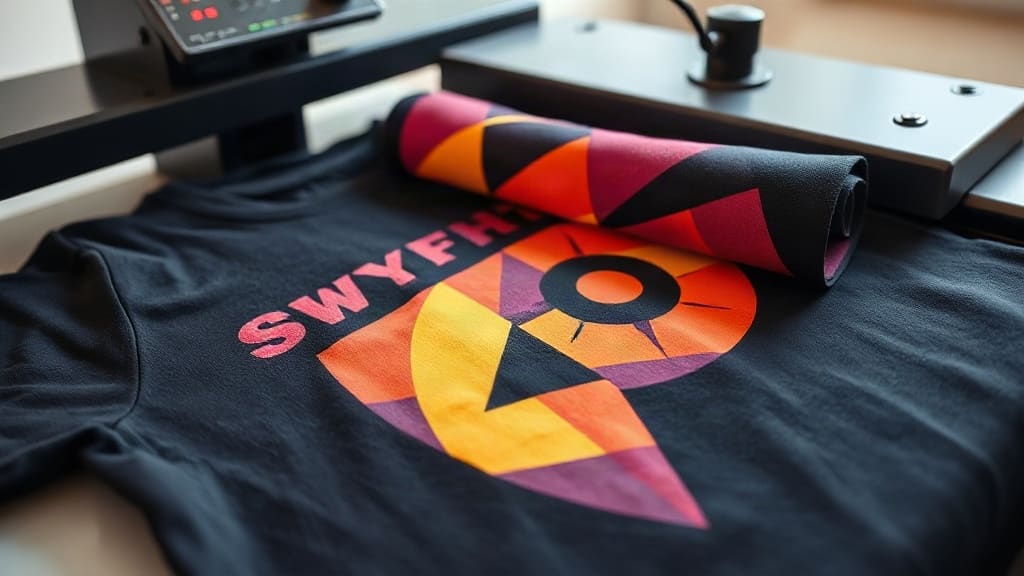
If you're in the custom apparel business or just starting to explore decoration methods, you've likely heard about DTF transfers. This technology has taken the printing world by storm, offering a unique combination of versatility, color vibrancy, and ease of use. But what exactly are DTF transfers, and why are they becoming the go-to choice for many printers? In this comprehensive guide, we'll dive deep into everything you need to know, from the printing process to practical tips for perfect application.
What Are DTF Transfers?
DTF (Direct to Film) transfers are a method of printing designs onto a special film, which is then transferred to fabric using a heat press. Unlike traditional screen printing or heat transfer vinyl, DTF allows for full-color, highly detailed prints with no weeding required. The process involves printing a design onto a PET film with a special adhesive powder applied, which bonds the ink to the fabric during heat pressing.
The result is a soft, durable, and stretchable print that works on a wide range of materials, including cotton, polyester, blends, and even some hard surfaces like mugs and wood. This versatility makes DTF an attractive option for small businesses and large-scale manufacturers alike.
How Does the DTF Process Work?
The DTF printing process is straightforward, but it requires specific equipment and materials. Here's a step-by-step overview of how it works:
- Printing the Design: A standard inkjet printer (modified for DTF) prints a mirror image of your design onto a clear PET film using CMYK+White inks. The white ink is essential for creating a base layer, especially when printing on dark garments.
- Applying Adhesive Powder: While the ink is still wet, a hot-melt adhesive powder is applied to the printed film. The powder sticks only to the ink areas, creating a strong bond between the ink and the fabric.
- Drying and Melting: The film is then passed through a dryer or heat tunnel to partially cure the adhesive powder. This step ensures the powder is evenly distributed and adheres to the ink.
- Transfer to Fabric: The design is placed face down onto the fabric, and a heat press is used to apply pressure and heat (usually around 160°C to 180°C for 10-15 seconds).
- Peeling: After pressing, the film is peeled away, leaving the vibrant design permanently fused to the fabric.
This process can be done in-house with the right equipment, or you can opt for pre-printed DTF transfers from a supplier like dtfcrafters.com.
Benefits of Using DTF Transfers
Why choose DTF over other methods? Here are some compelling benefits:
- Vibrant Colors: DTF prints are incredibly vibrant and sharp, even on dark fabrics, thanks to the white ink base.
- Soft Hand Feel: The transfers are thin and flexible, resulting in a print that feels soft to the touch and doesn't crack or fade easily.
- Versatility: DTF works on a variety of fabrics, including cotton, polyester, nylon, and blends. It also works on non-fabric items like tote bags, caps, and even leather.
- No Weeding: Unlike vinyl, there's no tedious weeding or separating of designs. Complex, multi-colored logos are printed in one go.
- Cost-Effective: For short runs and custom orders, DTF is more affordable than screen printing, which has high setup costs.
- Durability: DTF prints are wash-resistant and can withstand repeated washing without losing their quality.
DTF Transfers vs. Other Printing Methods
To understand DTF's place in the market, let's compare it to traditional methods:
DTF vs. Screen Printing
Screen printing is excellent for large bulk orders with simple designs, but it requires a separate screen for each color, making it costly for small runs. DTF offers full-color prints without setup fees, making it ideal for small batches and intricate designs.
DTF vs. Heat Transfer Vinyl (HTV)
HTV is great for single-color designs and simple cuts, but it's limited in color range and requires weeding. DTF handles multi-color, photorealistic images without any weeding, saving time and labor.
DTF vs. Sublimation
Sublimation is perfect for polyester fabrics, but it doesn't work on cotton. DTF works on cotton and blends, offering more versatility. However, sublimation is superior for all-over prints and certain hard goods.
How to Apply DTF Transfers Like a Pro
Whether you're using pre-made transfers or printing your own, application is key to achieving professional results. Here are some tips:
- Pre-Press the Garment: Press the fabric for a few seconds to remove moisture and wrinkles. This ensures better adhesion.
- Position the Transfer: Place the transfer on the garment, ensuring it's centered and straight. The film side should be facing up.
- Use the Right Pressure and Temperature: For most fabrics, set your heat press to 160°C to 180°C and apply medium pressure. Press for 10-15 seconds.
- Peel Hot or Cold: DTF transfers can be peeled hot or cold, but for best results, wait a few seconds and peel slowly. Hot peeling gives a glossy finish, while cold peeling gives a matte finish.
- Re-Press if Needed: If you notice any areas that didn't adhere fully, cover with a Teflon sheet and press again for a few more seconds.
Remember to always test on a scrap fabric first to dial in your specific press settings.
Common Mistakes to Avoid
Even experienced printers can run into issues with DTF transfers. Here are some common pitfalls and how to avoid them:
- Not Using Enough Adhesive Powder: This can lead to poor adhesion and cracking. Make sure the entire ink area is covered.
- Over-Drying: If the adhesive powder is over-dried, it may not activate correctly during pressing. Follow the manufacturer's guidelines.
- Incorrect Heat Settings: Too little heat and the transfer won't stick; too much heat can scorch the fabric. Calibrate your press regularly.
- Peeling Too Early: Peeling too quickly can cause the design to pull away from the fabric. Wait for the recommended time.
Where to Get Quality DTF Transfers
If you're not ready to invest in DTF printing equipment, you can always order pre-printed DTF transfers from a reputable supplier. Companies like dtfcrafters.com offer custom and ready-made designs, with high-quality prints that are ready to press. When choosing a supplier, look for:
- High-resolution printing with vibrant colors
- Durable adhesive that withstands washes
- Fast turnaround times
- Competitive pricing
By outsourcing, you can focus on building your brand and fulfilling orders without the overhead of printing equipment.
Frequently Asked Questions
Can DTF transfers be applied to any fabric?
DTF transfers are versatile and work on most fabrics, including cotton, polyester, blends, and even nylon. However, for very stretchy fabrics like spandex, we recommend testing first to ensure the print doesn't crack when stretched.
How many washes can DTF prints withstand?
Quality DTF prints can withstand 40 to 60 washes or more, depending on the care taken. To maximize lifespan, wash garments inside out in cold water and avoid using bleach or fabric softeners.
Are DTF transfers eco-friendly?
DTF printing uses water-based inks and produces minimal waste compared to screen printing. However, the PET film is not biodegradable, so it's important to recycle it properly. Many suppliers now offer recyclable films.
What is the minimum order quantity for custom DTF transfers?
One of the great advantages of DTF is that there is no minimum order. You can order a single transfer or thousands, making it perfect for small businesses and individual creators.
How long do DTF transfers last in storage?
When stored in a cool, dry place away from direct sunlight, DTF transfers can last for up to a year without losing their adhesive properties or color vibrancy.
In conclusion, DTF transfers are a game-changer in the custom printing industry. They offer unmatched versatility, vibrant colors, and ease of use, making them perfect for both novices and professionals. Whether you're printing your own or ordering from a trusted supplier, DTF is a technology worth embracing for your next project.