
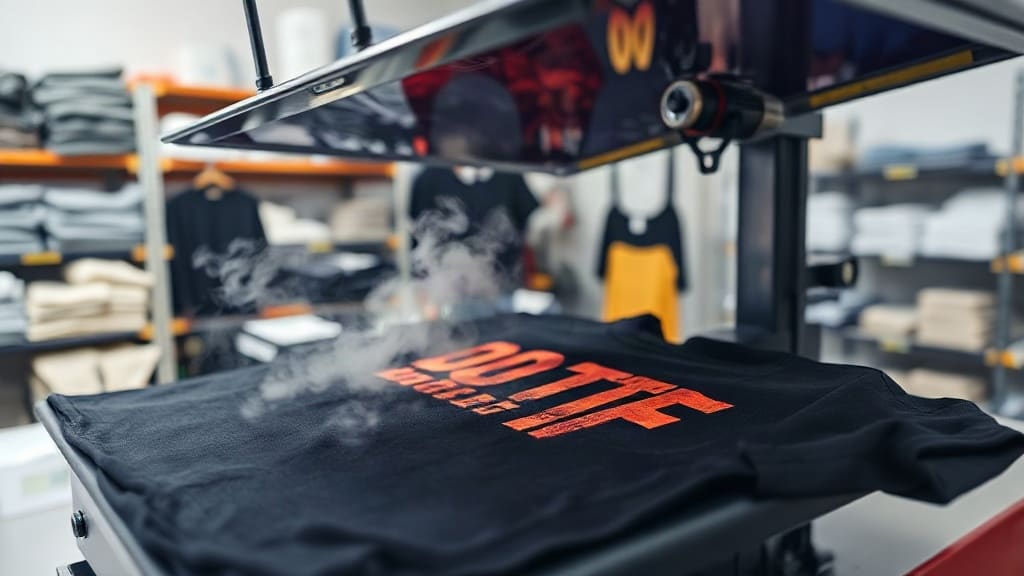
If you're into custom apparel, you've probably heard about DTF transfers. This printing method has taken the industry by storm, offering a versatile and cost-effective way to create vibrant designs on various fabrics. Whether you're a small business owner or a DIY enthusiast, understanding how DTF printing works can open up a world of possibilities. In this guide, we'll dive deep into the process, materials, and tips for achieving professional results with DTF.
What Are DTF Transfers?
DTF stands for Direct to Film. It's a printing technique where a design is printed onto a special film using a DTF printer, then transferred to a fabric using a heat press. Unlike other methods, DTF allows for printing on dark and light colored garments without needing a white underbase separately. The process involves printing a reversed image, applying adhesive powder, curing it, and then pressing it onto the fabric at high temperature.
One of the biggest advantages of DTF is its flexibility. You can print small batches affordably, which is perfect for custom orders or test runs. It also works on a variety of materials like cotton, polyester, blends, and even some non-fabric surfaces like wood or leather. This makes DTF a favorite among print shops and online sellers.
How Does DTF Printing Work?
The DTF process might sound complex, but it's actually quite straightforward once you get the hang of it. Here's a step-by-step breakdown:
- Design Creation: You start with a digital design. Ensure it's high resolution (at least 300 DPI) and in CMYK plus white if needed.
- Printing: The design is printed onto a special PET film using DTF inks. The printer lays down the CMYK colors, and if the design requires it, a white layer is printed underneath to make colors pop on dark fabrics.
- Powder Application: While the ink is still wet, a hot-melt adhesive powder is applied evenly over the printed area. This powder is what bonds the design to the fabric.
- Curing: The film is then heated to melt the powder, usually in a curing oven or with a heat press at a lower temperature. This ensures the powder adheres properly.
- Transfer: Finally, the film is placed on the garment with the design facing down, and a heat press is used at around 300-320°F (150-160°C) for 15-20 seconds with medium pressure.
- Peeling: After pressing, you peel the film away, and your vibrant, durable print is ready!
Getting the right temperature and pressure is crucial. Too little heat and the transfer won't stick; too much and you might scorch the fabric. Practice makes perfect.
Materials Needed for DTF Transfers
To get started with DTF, you'll need some specific materials and equipment:
- DTF Printer: Usually an Epson or similar printer modified to print with DTF inks, or a dedicated DTF printer.
- DTF Inks: These are pigment-based inks that work well with the film. They include CMYK and white ink.
- PET Film: A special film coated to accept the ink and allow easy release during transfer.
- Adhesive Powder: A hot-melt powder that acts as the bonding agent.
- Heat Press: A clamshell or swing-away press that can reach at least 300°F (150°C).
- Blower or Curing Oven: To melt the powder effectively.
Investing in quality materials is worth it. Cheap films or inks might lead to prints that crack or fade quickly, which can damage your reputation if you're selling.
DTF vs. Other Printing Methods
When you're in the customization business, you have several options: screen printing, vinyl, sublimation, and DTF. Each has its pros and cons. DTF stands out because it combines the best aspects of several methods.
Screen printing is great for large orders but requires expensive setup. Vinyl (HTV) is perfect for simple designs but struggles with detailed multicolor artwork. Sublimation works only on polyester or light-colored garments. DTF, on the other hand, handles complex designs on both light and dark fabrics with ease, and it's cost-effective for small to medium runs. The prints are also stretchy and durable, making them suitable for activewear.
Tips for Perfect DTF Transfers
Here are some practical tips to ensure your DTF transfers come out flawlessly:
- Pre-press your garment: Pressing the shirt for 2-3 seconds before applying the transfer removes moisture and wrinkles, which helps the adhesive bond better.
- Use the right pressure: Medium pressure is usually ideal. Too little pressure might result in an incomplete transfer, while too much can cause the film to stick.
- Test with a scrap piece: Always do a test transfer on a similar fabric to check colors and settings before your final piece.
- Maintain your printer: DTF printers need regular cleaning to prevent clogging, especially if you're using white ink. Follow the manufacturer's guidelines.
- Peel hot or cold? Some films require hot peeling, others cold. Check the instructions; generally, hot peeling gives a glossy finish, while cold peeling results in a matte look.
Remember, every fabric behaves differently. Cotton gives a soft feel, while polyester might need slightly lower temperature to avoid melting.
Common Mistakes to Avoid
Even experienced printers sometimes make errors. Here are some pitfalls to watch out for:
- Insufficient powder: If you don't apply enough adhesive powder, parts of the design may not stick. Ensure full coverage.
- Low-quality images: Blurry designs will look terrible once printed. Always use vector files or high-res rasters.
- Incorrect color settings: DTF prints can look dull if your color profile is off. Calibrate your monitor and use ICC profiles.
- Not shaking the powder well: The powder tends to clump; shake it thoroughly before applying.
- Ignoring garment care: Tell your customers to wash printed items inside out in cold water to extend the life of the print.
Learning from these mistakes will save you time and materials.
Applications and Uses of DTF Transfers
DTF is incredibly versatile. You can use it for:
- Custom t-shirts for events, teams, or businesses.
- Personalized gifts like tote bags, caps, and hoodies.
- Workwear with logos and safety text.
- Pet apparel and accessories.
- Home decor items like pillows and blankets.
Because you can print on demand, you don't need large inventory. This is a game-changer for online stores.
Frequently Asked Questions
What is the difference between DTF and sublimation?
Sublimation requires polyester fabrics and works by infusing ink into the material. DTF can print on cotton and blends, making it more versatile. Sublimation prints are permanent and don't crack, but they only work on light colors. DTF offers more flexibility in terms of fabric choice and can handle dark colors with a white base.
How long do DTF transfers last?
With proper care, DTF prints can last for many washes without fading or cracking. The key is to follow washing instructions: wash inside out in cold water and avoid chlorine bleach. In professional settings, they are known to hold up well, often comparable to screen printing.
Can I use DTF transfers on dark shirts?
Yes, absolutely. DTF is especially good for dark garments because you can print a white underbase that makes the colors vibrant. This eliminates the need for separate white vinyl or complicated setups.
Do I need a special printer for DTF?
Yes, either a dedicated DTF printer or a converted one. You need a printer that can handle pigment inks and white ink without clogging. Epson EcoTank models are popular for conversion, but there are also professional DTF printers available.
Can DTF transfers be reused?
No, once transferred, the film is discarded. The adhesive is used up in the process, so each transfer is single-use. This is similar to other heat transfer methods.
Conclusion
DTF transfers have revolutionized the custom apparel industry. They offer a perfect balance of quality, cost, and versatility. Whether you're just starting or looking to expand your services, mastering DTF can boost your business significantly. With the right materials and a bit of practice, you'll be producing stunning prints that your customers will love. And if you're looking for reliable supplies, consider checking out dtfcrafters.com for quality DTF products and equipment.