
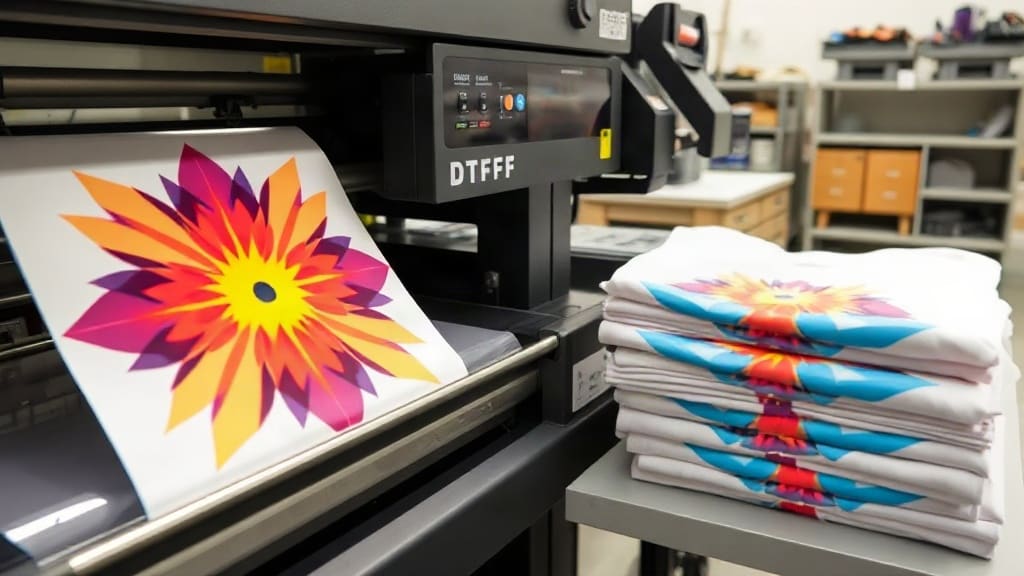
DTF transfers have revolutionized the custom printing industry, offering a flexible and vibrant solution for apparel decoration. Whether you're a small business owner, a hobbyist, or a large-scale printer, understanding this technology can open new doors. In this comprehensive guide, we'll explore everything from the basics to advanced tips, ensuring you have the knowledge to produce stunning, durable prints.
What Are DTF Transfers?
DTF transfers, or Direct to Film transfers, are a printing method where a design is printed onto a special PET film, coated with adhesive powder, and then heat-pressed onto fabric. Unlike traditional screen printing or vinyl, DTF allows for full-color, highly detailed designs without the need for screens or weeding. This makes it an attractive option for both small runs and mass production.
How Does DTF Printing Work?
The process involves a DTF printer, which uses specialized inks (typically CMYK plus white) to print the design in reverse onto the film. After printing, a hot-melt adhesive powder is applied to the wet ink, and the film is then dried and cured. The final step is transferring the design to a garment using a heat press. The result is a soft, stretchable, and wash-resistant print.
Key Components of DTF Printing
- PET Film: The carrier sheet that holds the printed design. It must be of high quality to ensure proper adhesion and release.
- DTF Inks: Specially formulated inks that bond with the adhesive and fabric. They are often water-based or eco-solvent, providing vibrant colors.
- Adhesive Powder: A thermoplastic powder that melts during heat pressing, creating a strong bond between the ink and the garment.
- Heat Press: The equipment used to apply heat and pressure to transfer the design. A clamshell or swing-away press works well.
Why Choose DTF Transfers Over Other Methods?
DTF transfers offer several advantages that make them a preferred choice for many printers:
- Versatility: DTF works on a wide range of fabrics, including cotton, polyester, blends, and even materials like denim and leather. It's not limited to light or dark colors.
- Vibrant Colors: The white ink layer ensures that colors pop on dark garments, and the CMYK inks provide a wide color gamut for photorealistic prints.
- Soft Hand Feel: The adhesive creates a thin, flexible layer that doesn't crack or peel easily, maintaining the fabric's natural texture.
- Cost-Effective for Small Orders: Unlike screen printing, there are no setup fees, making DTF ideal for custom, one-off, or low-quantity orders.
- Easy to Reproduce: Once you have the digital file, you can print as many copies as needed with consistent quality.
DTF Transfers vs. DTG and Screen Printing
When comparing DTF to other popular methods, it's important to consider your specific needs. Direct-to-garment (DTG) printing is excellent for high-detail, full-color prints directly on cotton, but it's slower for bulk orders and struggles on polyester. Screen printing is great for large quantities with simple designs, but it has high setup costs and limited color gradients. DTF combines the best of both worlds: it's fast, versatile, and cost-effective for lower volumes.
Step-by-Step Guide to Using DTF Transfers
To get the best results from your DTF transfers, follow these steps:
- Prepare Your Design: Create or download a high-resolution design (300 DPI recommended). Ensure it has a transparent background if you want the garment color to show through.
- Print the Design: Load the PET film into your DTF printer and print in reverse (mirrored). Use the correct color profile to ensure accurate colors.
- Apply Adhesive Powder: While the ink is still wet, cover the entire printed area with adhesive powder. Shake off the excess and ensure the powder sticks to the ink.
- Dry and Cure: Use a curing oven or a heat press with low heat to melt the powder into the ink. This step solidifies the adhesive layer.
- Heat Press the Transfer: Preheat your heat press to around 160°C (320°F) and set the pressure to medium. Place the transfer on the garment with the film side up, and press for about 15 seconds.
- Peel the Film: While it's still hot or cool (depending on the film), peel the film away. For best results, use the recommended peel temperature from the film manufacturer.
Tips for Perfect DTF Transfers
Achieving professional-looking results requires attention to detail. Here are some practical tips:
- Test Your Settings: Different fabrics and inks may require adjustments in temperature and time. Always run a test print before a big order.
- Use Quality Materials: Invest in high-grade PET film, inks, and adhesive powder. Cheap supplies can lead to poor adhesion or color issues.
- Handle with Care: The film is delicate before pressing. Avoid creasing or scratching the printed area.
- Pre-press Your Garment: Pressing the garment first removes moisture and wrinkles, ensuring a flat surface for the transfer.
- Clean Your Printer Regularly: Clogged nozzles can cause streaks or missing colors. Follow the manufacturer's maintenance schedule.
Common Mistakes and How to Avoid Them
Even experienced printers make mistakes. Here are some common pitfalls and solutions:
- Poor Adhesion: If the design peels off, you may not be using enough adhesive powder or not pressing long enough. Increase powder coverage and press time slightly.
- Faded Colors: This could be due to low ink saturation or incorrect color settings. Check your ink levels and calibrate your printer.
- Film Sticking to Garment: If the film doesn't release cleanly, it might be because the press is too hot or the time is too long. Adjust and test.
- White Ink Issues: White ink can separate or settle. Make sure to shake the cartridges regularly and use a printer with a recirculation system.
Frequently Asked Questions
Can DTF transfers be used on any fabric?
Yes, DTF transfers work on a variety of fabrics, including 100% cotton, polyester, cotton-poly blends, and even some synthetic materials. However, for very high-heat-resistant fabrics, you may need to adjust the press settings.
How long do DTF transfers last?
When applied correctly, DTF transfers can last the lifetime of the garment. They are resistant to cracking, peeling, and fading, even after many washes. To ensure longevity, wash inside out in cold water and avoid ironing directly on the print.
What is the cost of DTF transfers compared to other methods?
The initial investment for DTF equipment can be higher than some methods, but the per-print cost is lower for small to medium runs. For one-off or small orders, DTF is often more affordable than screen printing, which has high setup costs.
Can I use DTF transfers for small business?
Absolutely. DTF is perfect for small businesses because it allows you to offer custom products without a large inventory. You can print on demand and expand your product range easily.
What is the difference between DTF and sublimation?
Sublimation requires polyester fabric and works by turning ink into gas that bonds with the fabric's fibers. DTF, on the other hand, uses a film and adhesive, so it works on more fabric types, including cotton. Sublimation is great for all-over prints, while DTF is better for detailed, individual designs.
Final Thoughts
DTF transfers are a game-changer in the custom printing world, providing exceptional versatility, quality, and ease of use. By understanding the process, investing in good materials, and following best practices, you can produce professional results that will impress your clients or customers. Whether you're just starting or looking to upgrade your printing capabilities, DTF is definitely worth exploring.