
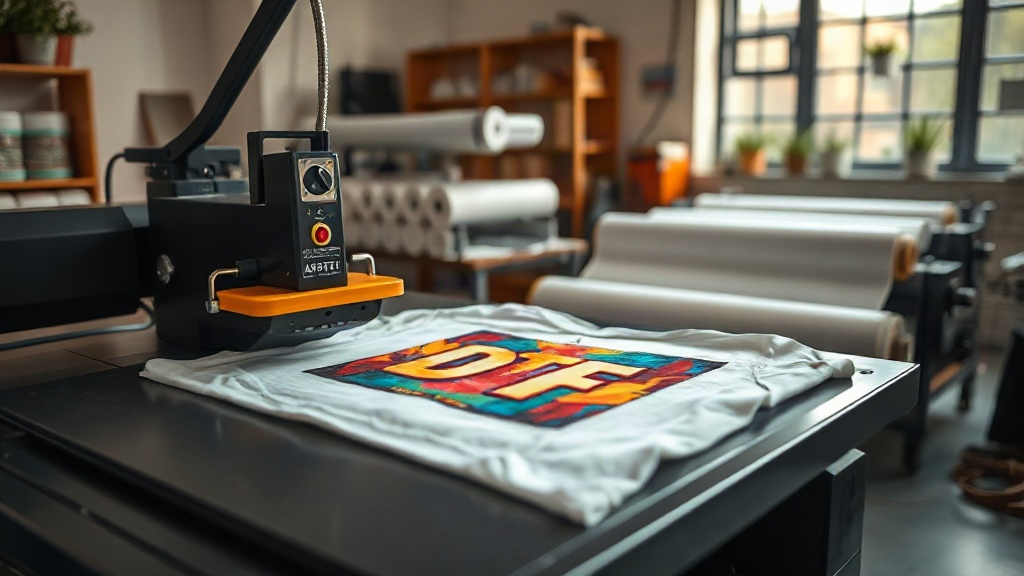
When you first hear about DTF printing, you might wonder how it differs from the familiar DTG or screen printing methods. DTF, which stands for Direct to Film, is a relatively new technology that has quickly gained popularity among crafters and small business owners. Unlike traditional methods, DTF allows you to print full-color designs onto a special film, then transfer them to a wide range of fabrics with a heat press. The result? Vibrant, durable prints that feel soft and last wash after wash. In this guide, we'll walk you through the entire DTF process, from design to finished product, and share practical tips to help you get started.
What Exactly Is DTF Printing?
DTF printing is a digital printing method where your design is printed onto a PET film using specialized inks. A powder adhesive is applied to the wet ink, and after curing, the film can be stored or immediately used. When you're ready to apply, you place the film on your fabric and press it with a heat press. The adhesive melts, bonding the ink to the fabric. Once cool, you peel away the film, leaving a vibrant, stretchable print. This method works on cotton, polyester, blends, and even some treated nylon, making it incredibly versatile.
How DTF Differs from DTG and Screen Printing
DTG (Direct to Garment) printing requires pre-treatment and works best on 100% cotton. Screen printing is cost-effective for large orders but requires separate screens for each color. DTF printing, on the other hand, doesn't need pre-treatment, works on almost any fabric, and can produce full-color designs without color limitations. It's also more durable than DTG on synthetic fabrics. For small businesses and hobbyists, DTF offers a low-cost entry point with professional results.
The DTF Printing Process Step by Step
Getting started with DTF printing involves a few key steps. Here's a breakdown:
- Design Preparation: Create your artwork in a graphics program. Mirror the image horizontally before printing, as the film will be flipped when applied.
- Printing: Load the PET film into your DTF printer. The printer lays down a layer of white ink (if needed), then color inks, and finally a white ink base. This white layer ensures opacity on dark fabrics.
- Powdering: While the ink is still wet, apply hot-melt adhesive powder evenly over the print. Shake off excess.
- Curing: Place the film in a curing oven or under a heat source to melt the powder. The ink should look glossy, not matte.
- Transfer: Set your heat press to the recommended temperature (usually 300-320°F) and press for 10-15 seconds with medium pressure.
- Peel: After pressing, wait for the film to cool completely (cold peel) or peel while warm (hot peel), depending on the film type. Cold peel is more common for DTF.
Each step requires attention to detail. For instance, insufficient powder can lead to poor adhesion, while over-curing can make the print stiff. Practice and consistent parameters are key.
Why Choose DTF for Your Custom Apparel Business?
If you're running a custom apparel business, DTF printing offers several advantages:
- No color limits: Print gradients, photographs, and complex designs with ease.
- Fabric versatility: Works on cotton, polyester, blends, and more.
- Durability: Prints withstand repeated washing without cracking or fading.
- Low startup cost: Compared to screen printing, you don't need multiple screens or setup fees.
- Fast turnaround: Once your printer is set up, you can produce transfers on demand.
These benefits make DTF ideal for small batch orders, personalized gifts, and rapid prototyping. Many businesses use DTF to offer custom t-shirts, hoodies, tote bags, and even hats.
Common Challenges and How to Overcome Them
Like any printing method, DTF has its quirks. Here are some common issues and solutions:
Ink Not Adhering to Fabric
This usually happens if the powder wasn't applied evenly or the curing was insufficient. Ensure you shake off excess powder and cure until the ink is fully melted. Also, check that your heat press temperature and pressure are correct.
Print Cracking After Washing
Cracking can occur if the transfer wasn't pressed long enough or if the fabric stretches too much. Use a stretchable DTF film and follow the recommended pressing parameters. Washing inside out in cold water and avoiding bleach will also extend the print's life.
Clogged Printheads
DTF printers require regular maintenance. Print a test pattern daily and clean the printhead as per the manufacturer's instructions. Using high-quality inks and films also reduces clogs.
Essential Supplies for DTF Printing
To start DTF printing, you'll need:
- A DTF printer (or access to one)
- PET film (usually 13" or 17" wide)
- DTF inks (CMYK plus white)
- Hot-melt adhesive powder
- Curing oven or heat gun
- Heat press
- Heat-resistant tape
Quality supplies make a big difference. Cheaper films may cause ink smearing, and low-grade powder can lead to poor washability. Invest in reputable brands.
DTF vs. Other Printing Methods: A Quick Comparison
How does DTF stack up against DTG, screen printing, and vinyl?
- DTG: Best for 100% cotton, but requires pre-treatment and can be less vibrant on dark shirts.
- Screen Printing: Cost-effective for bulk orders, but each color adds cost and setup time.
- Vinyl: Great for simple designs, but limited to one color per layer and can be time-consuming to weed.
- DTF: Versatile, full-color, no pre-treatment, and works on many fabrics. Perfect for small to medium orders.
For many small businesses, DTF hits the sweet spot between quality, cost, and flexibility.
Tips for Achieving Professional Results
Want your DTF prints to look like they came from a pro shop? Follow these tips:
- Use high-resolution images: At least 300 DPI for crisp details.
- Test your settings: Every printer and film combo behaves differently. Run test prints to dial in temperature, pressure, and time.
- Store film properly: Keep unused film in a cool, dry place to prevent curling.
- Clean your printer regularly: Prevent clogs and ensure consistent output.
- Press on a firm surface: Use a heat press, not an iron, for even pressure and temperature.
With practice, you'll develop a feel for what works best in your setup.
Frequently Asked Questions About DTF Printing
Can I use DTF on 100% polyester?
Yes, DTF works well on polyester. In fact, it often adheres better to polyester than DTG. Just be mindful of the heat press temperature to avoid scorching the fabric.
How long does a DTF print last?
With proper application and care, a DTF print can last 50+ washes without significant fading or cracking. Washing inside out in cold water and avoiding harsh detergents will maximize longevity.
Do I need a special printer for DTF?
You can convert some inkjet printers to DTF, but dedicated DTF printers are recommended for best results. They handle the white ink and film feeding more reliably.
Is DTF printing cost-effective for small orders?
Absolutely. DTF has a low setup cost compared to screen printing, making it ideal for one-off items or small batches. The cost per print decreases as you scale, but even single prints are affordable.
Can I print on dark fabrics with DTF?
Yes, DTF excels on dark fabrics because the white ink base provides opacity. You don't need to change your design; just ensure your printer uses white ink correctly.
DTF printing opens up a world of possibilities for custom apparel. Whether you're a hobbyist or a business owner, mastering this technique can set your products apart. With the right supplies, a bit of practice, and attention to detail, you'll be creating vibrant, durable prints that your customers will love. So why not give DTF a try? Your creativity is the only limit.