
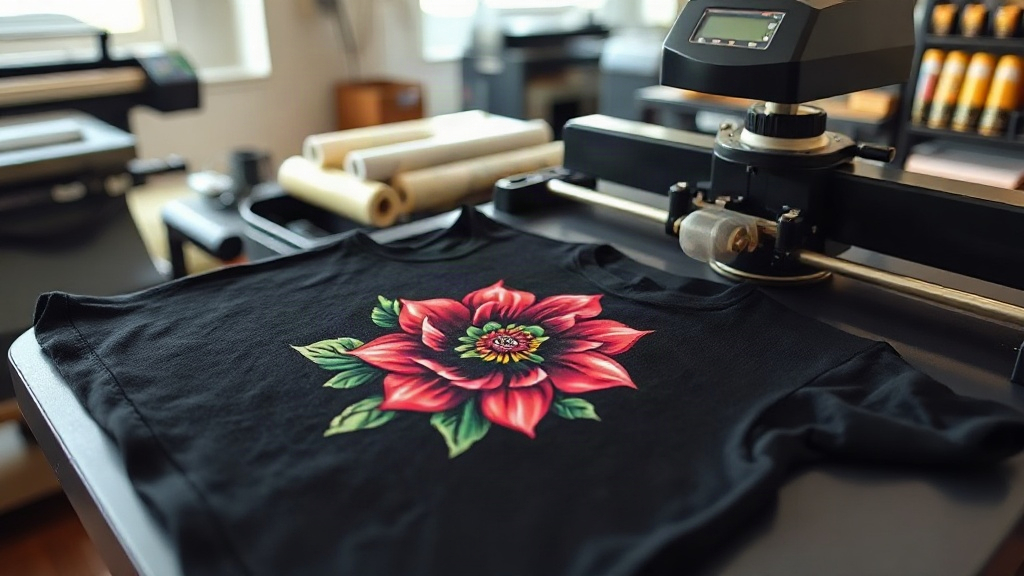
If you've been exploring custom apparel printing, you've likely heard about DTF Transfers. This innovative technology is rapidly becoming a favorite among small business owners, crafters, and DIY enthusiasts. Unlike traditional methods, DTF transfers offer vibrant colors, exceptional durability, and the ability to print on a wide range of fabrics. In this guide, we'll dive deep into what DTF transfers are, how they work, and how you can use them to create stunning custom apparel.
What Are DTF Transfers?
DTF stands for Direct to Film. It's a printing method where your design is printed onto a special film, coated with a powder adhesive, and then heat-pressed onto the fabric. The result is a soft, flexible, and long-lasting print that adheres well to cotton, polyester, blends, and even nylon. Unlike DTG (Direct to Garment) or screen printing, DTF transfers don't require pre-treatment or specialized equipment beyond a heat press and a printer.
The DTF Printing Process
The process begins with a digital printer that uses special DTF inks. These inks are printed onto a PET film in reverse. While the ink is still wet, a fine powder adhesive is applied evenly across the design. The excess powder is shaken off, and the film is heated to melt the adhesive. Once cooled, the transfer is ready to be applied to fabric using a heat press. This two-step process ensures a strong bond and vivid colors.
Why Choose DTF Transfers?
There are several compelling reasons to consider DTF transfers for your custom apparel projects. Let's explore the main benefits.
1. Vibrant Colors and Fine Details
DTF transfers can reproduce intricate designs with gradients, fine lines, and photographic details that other methods might struggle with. The specialized inks produce bright, opaque colors even on dark fabrics, eliminating the need for a white underbase.
2. Works on Multiple Fabric Types
One of the biggest advantages is versatility. You can apply DTF transfers to cotton, polyester, cotton-poly blends, leather, and even nylon. This makes it ideal for printing on t-shirts, hoodies, tote bags, and more, without worrying about fabric composition.
3. Durability and Washability
When applied correctly, DTF transfers are incredibly durable. They resist cracking, peeling, and fading even after multiple washes. The adhesive powder creates a strong bond that flexes with the fabric, so your designs stay intact.
4. Cost-Effective for Small Runs
Unlike screen printing, which requires separate screens for each color, DTF transfers have no setup fees and are cost-effective for small batches. You can print one-off designs or short runs without breaking the bank.
How to Apply DTF Transfers
Applying DTF transfers is straightforward, but following the correct steps ensures a professional finish. Here's a step-by-step guide.
- Preheat your heat press: Set the temperature to 325°F (160°C) and preheat the fabric for 5-10 seconds to remove moisture.
- Position the transfer: Place the DTF transfer on the fabric with the design facing up. The film should be on top.
- Press: Apply medium pressure for 15-20 seconds. Use a Teflon sheet or parchment paper to protect the transfer.
- Peel: Wait for the transfer to cool completely (cold peel) before slowly peeling off the film. For a glossy finish, you can peel while hot, but cold peel is recommended for best results.
- Post-press: For added durability, cover the design with parchment paper and press again for 5-10 seconds.
Common Mistakes to Avoid
- Not preheating the fabric: Moisture can cause poor adhesion.
- Using too much pressure: This can cause the design to spread or the adhesive to bleed.
- Peeling too early: Peeling while hot can stretch the design or leave residue.
- Incorrect temperature: Too low and the adhesive won't activate; too high and the film may melt.
DTF Transfers vs. Other Printing Methods
How does DTF compare to DTG, screen printing, and vinyl? Each has its strengths, but DTF stands out for its versatility and low setup costs.
DTF vs. DTG
DTG (Direct to Garment) prints directly onto the fabric and works best on 100% cotton. It requires pre-treatment and can be slow. DTF, on the other hand, works on more fabrics, doesn't need pre-treatment, and often produces more vibrant colors on dark garments.
DTF vs. Screen Printing
Screen printing is cost-effective for large orders but has high setup costs and is limited to fewer colors. DTF is better for detailed, multi-color designs and small batches.
DTF vs. Vinyl
Heat transfer vinyl (HTV) is great for simple designs but can't handle complex gradients or fine details. DTF excels at intricate artwork and full-color images.
Tips for Perfect DTF Transfers
To get the best results, keep these tips in mind:
- Store transfers in a cool, dry place to prevent the adhesive from absorbing moisture.
- Use a heat press, not an iron, for consistent temperature and pressure.
- Test on a scrap piece of fabric before pressing your final garment.
- Wash garments inside out in cold water and tumble dry low to extend the life of the print.
Frequently Asked Questions
How long do DTF transfers last?
With proper application and care, DTF transfers can last as long as the garment itself. They withstand dozens of washes without fading or cracking when washed inside out in cold water and dried on low heat.
Can I use DTF transfers on dark colors?
Absolutely! DTF transfers are ideal for dark fabrics because the white ink layer is printed underneath the colors, ensuring vibrant and opaque results. No need for a separate white underbase.
Do I need a special printer for DTF?
Yes, you need a DTF printer that uses DTF inks and a powder shaker. However, many companies sell pre-printed DTF transfers, so you can start without investing in a printer. Just order your designs and apply them with a heat press.
What fabrics work best with DTF?
DTF works on a wide range of fabrics including cotton, polyester, blends, leather, and nylon. It's not recommended for fabrics with a heavy texture or coating, as the adhesive may not bond properly.
Can I layer DTF transfers?
Yes, you can layer DTF transfers, but it's best to press each layer separately. Use a lower temperature for the second press to avoid disturbing the first layer. Alternatively, you can design your artwork with multiple elements in one transfer.