
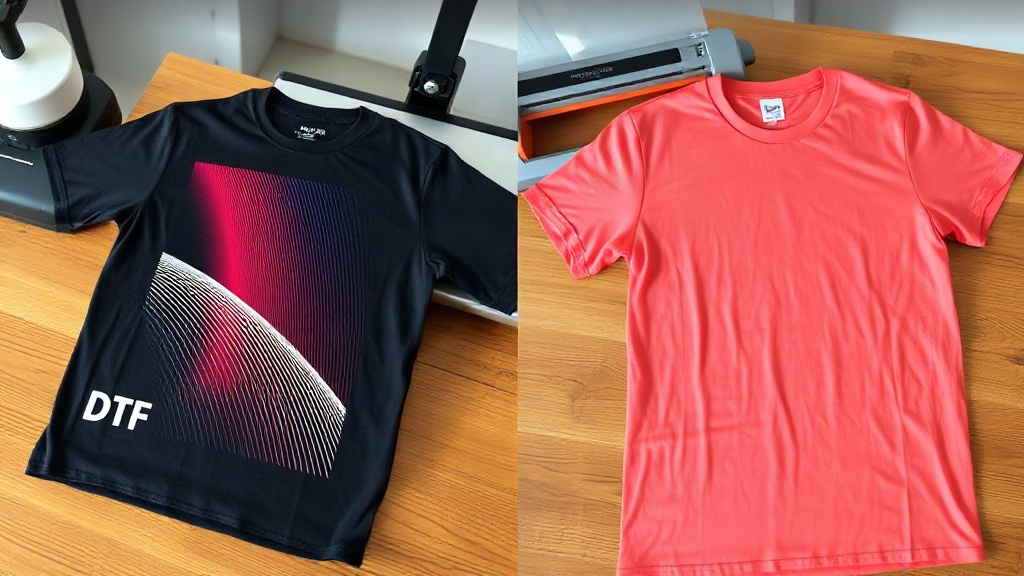
Choosing between DTF Transfers and vinyl for custom apparel can make or break your project. Both methods have passionate fans, but they serve different needs. If you're tired of peeling vinyl or want full-color designs without the hassle, DTF Transfers might be your answer. Let's break down the key differences so you can pick the right method for your next order.
What Are DTF Transfers?
DTF Transfers (Direct to Film) are printed on a special film using pigment inks, then coated with a hot-melt adhesive powder. When heat-pressed, the design bonds permanently to the fabric. This method allows for intricate, multi-color designs without weeding or layering. Unlike vinyl, DTF doesn't require cutting machines or separate color layers. It's a game-changer for small businesses and hobbyists who want professional results without a steep learning curve.
What Is Vinyl?
Vinyl, specifically heat transfer vinyl (HTV), is a colored film you cut with a plotter, weed away excess, and press onto fabric. It's a staple for one-color or simple designs. Vinyl comes in many types: standard, stretch, glitter, and more. It's durable and cost-effective for basic text or logos. However, multi-color designs mean layering multiple vinyl sheets, which can feel stiff and time-consuming.
Application Process: DTF vs. Vinyl
DTF Transfers Application
Applying DTF Transfers is straightforward. You need a heat press (or a home iron with caution), set to 300-325°F, and press for 10-15 seconds with medium pressure. Peel the film while it's hot or cold, depending on the film type. No weeding, no masking. The transfer adheres to cotton, polyester, blends, and even nylon. It's a single-step process that saves hours on complex designs.
Vinyl Application
Vinyl requires a cutting machine (like Cricut or Silhouette), weeding tools, and transfer tape. You cut the design, weed out the negative space, then press at 305-320°F for 10-15 seconds. For multi-color designs, you repeat the process for each color, aligning layers carefully. This can lead to misalignment and a thicker feel. Vinyl works best on cotton and polyester, but not all fabrics handle the heat.
Durability and Washability
Both methods are durable when applied correctly. DTF Transfers typically last 50+ washes if you follow care instructions: wash inside out in cold water, tumble dry low. Vinyl can also last 50+ washes, but it may crack or peel over time, especially if stretched. DTF transfers stretch with the fabric, making them ideal for activewear. Vinyl is less flexible, so it's better for items that don't stretch much.
Cost Comparison
For small runs, vinyl might seem cheaper because you only pay for the vinyl sheet. But when you factor in the cutting machine, weeding time, and material waste, costs add up. DTF Transfers are priced per transfer, and you only pay for what you use. For multi-color designs, DTF is often more economical because there's no layering. For bulk orders, DTF transfers can be very cost-effective, especially if you order in quantities.
Design Complexity and Color
Vinyl is limited to solid colors and simple shapes. Gradients, photographs, and fine details are nearly impossible without layering, which adds thickness. DTF Transfers can reproduce full-color images, gradients, and fine lines with stunning accuracy. If you want photorealistic designs or complex artwork, DTF is the clear winner. Vinyl is great for bold, simple graphics and text.
Fabric Compatibility
DTF Transfers adhere to a wide range of fabrics: cotton, polyester, blends, nylon, and even leather. Vinyl works well on cotton and polyester, but not on nylon or leather without special types. If you work with diverse materials, DTF offers more versatility. Also, DTF transfers can be applied to dark and light fabrics without needing a white underbase, unlike some vinyl.
When to Choose DTF Transfers
Choose DTF Transfers if you need full-color, detailed designs, work with various fabrics, or want to avoid weeding. They're perfect for small businesses, personalized gifts, and team uniforms. If you lack a cutting machine, DTF is a no-brainer. Also, if you want a soft feel and stretchability, DTF wins.
When to Choose Vinyl
Vinyl is ideal for simple, one-color designs, text, and numbers. It's great for jerseys, bags, and items that don't stretch. If you already own a cutting machine and enjoy the process, vinyl can be cost-effective for basic projects. It's also good for adding metallic or glitter effects.
Frequently Asked Questions
Can I use DTF transfers on cotton shirts?
Yes, DTF Transfers work beautifully on cotton. They adhere well and remain soft. Just ensure you pre-press the shirt to remove moisture, and follow the temperature and pressure guidelines for best results.
How long do DTF transfers last compared to vinyl?
With proper care, DTF Transfers can last as long as vinyl, often 50+ washes. They resist cracking and peeling better than vinyl on stretchy fabrics. Vinyl may degrade faster if stretched or washed in hot water.
Do I need a special printer for DTF transfers?
To make your own DTF Transfers, you need a DTF printer and pigment inks. However, many suppliers offer pre-printed transfers, so you can start without a big investment. For vinyl, you need a cutting machine.
Which method is cheaper for small batches?
For small batches, vinyl may be cheaper if you already own a cutter. But for multi-color designs, DTF Transfers can be more economical because you avoid layering and waste. Always calculate total costs including time.
Can I stretch DTF transfers on athletic wear?
Absolutely. DTF Transfers stretch with the fabric, making them ideal for spandex, lycra, and other stretchy materials. Vinyl can crack when stretched, so it's less suitable for activewear.