
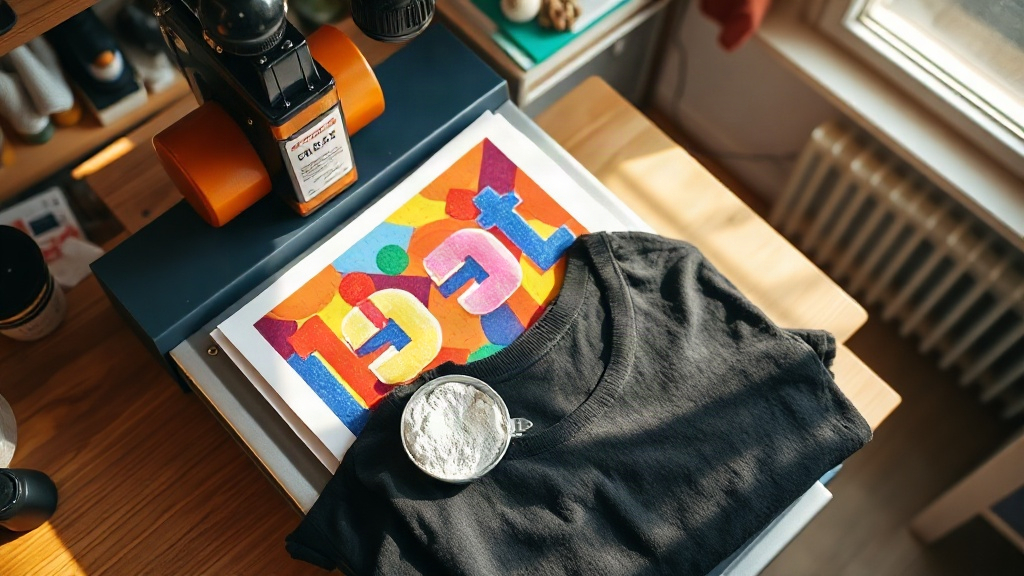
If you have spent any time in a crafting forum lately, you have probably noticed the same question popping up again and again: is DTF worth trying? The honest answer is yes, but only if you understand what you are buying. Direct-to-film printing has quietly become the go-to method for people who want photographic detail on a t-shirt without owning a $20,000 printer. It is not magic, and it is not foolproof, but when it is done right, the results hold up next to screen printing at a fraction of the setup cost.
This guide walks through how the process works, where it shines, and the small details that separate a print that survives fifty washes from one that peels in a week.
How DTF Printing Actually Works
The name tells you most of the story. A digital printer lays down a mirror image of your design onto a special film, then a second pass applies a fine layer of hot-melt adhesive powder over the wet ink. That powder is the secret sauce. It is what lets the transfer bond to cotton, polyester, blends, and even canvas without needing a pretreated surface.
Once the powder is applied, the film goes through a curing step, usually in a small oven or with a heat gun, until the adhesive gels. At that point the sheet is stable and can be stored for months in a dry drawer. When you are ready to press, you place it on the garment, apply heat and pressure for a short cycle, let it cool, and peel the film away. What is left behind is a soft, stretchy image that flexes with the fabric.
Why the Powder Step Matters
Skip the powder or under-cure it, and you get a print that looks fine on day one and lifts at the corners by day ten. The adhesive is doing the heavy lifting for durability, not the ink. This is the single most common failure point for beginners, and it is also the easiest one to fix once you know what to look for.
What Fabrics and Products Work Best
One of the real advantages of DTF transfers is how forgiving they are across materials. You are not locked into 100% cotton the way you are with many other transfer methods. That flexibility opens up product ideas that used to require outsourcing.
- Cotton t-shirts and hoodies, the classic use case
- Polyester performance wear where sublimation is not an option
- Canvas tote bags and aprons
- Denim jackets, where the stretch of the transfer helps it move with the fabric
- Nylon and some coated materials, though always test first
Where things get tricky is with highly textured or heat-sensitive fabrics. Ribbed knits can cause the transfer to sit unevenly, and delicate synthetics may scorch before the adhesive activates. A scrap test on the exact material you plan to sell is never wasted time.
Light Versus Dark Garments
Unlike some older transfer papers, DTF prints include a white ink layer, so the same design works on black, white, and everything in between. That is a huge time saver if you sell the same graphic on multiple colorways. You do not need to keep two separate inventories of transfers.
Setting Up Your Press Correctly
Heat press settings are where most of the quality lives. The exact numbers depend on your film and powder, but a reasonable starting point for cotton is around 320 to 340 degrees Fahrenheit for 15 seconds with medium to firm pressure. Peel while warm for most films, though some brands specify a cold peel. Read the instructions that come with your specific product, because guessing wastes material.
Pressure matters more than most people expect. Too light, and the adhesive never fully contacts the fabric fibers. Too heavy, and the image can spread or the edges can blur. If your press does not have a pressure gauge, adjust the knob until you feel firm resistance when locking it down, then stay consistent.
Pre-Pressing the Garment
Always pre-press the shirt for a few seconds before applying the transfer. This removes moisture and wrinkles, both of which cause uneven adhesion. It is a two-second habit that saves a lot of ruined prints.
Common Mistakes and How to Avoid Them
- Under-curing the powder. If the adhesive still looks sandy after curing, it needs more time or heat. It should look slightly glossy and uniform.
- Peeling too fast. Let the transfer cool for the recommended time, then peel slowly at a low angle. Ripping it off hot can pull fine details.
- Storing sheets in humid rooms. Moisture weakens the adhesive over time. Keep them sealed and dry.
- Pressing on a wrinkled shirt. Wrinkles become permanent once the transfer locks them in.
- Reusing a sheet. Each transfer is single use. There is no second press.
None of these are complicated fixes, but each one has cost someone a customer order at some point. Learning them upfront saves money and frustration.
DTF Versus Other Transfer Methods
Compared to vinyl, DTF handles gradients, photographs, and fine text far better. Compared to sublimation, it works on cotton and dark fabrics, which sublimation cannot touch. Compared to screen printing, it has almost no setup cost, which makes it ideal for small runs and one-off custom orders.
The tradeoff is per-unit cost. For a run of five hundred identical shirts, screen printing will usually win on price. For a run of five, DTF is the clear choice. Most small shops end up using both, picking whichever fits the order in front of them.
Frequently Asked Questions
How long do DTF transfers last on a shirt?
With proper application and normal washing, a well-made transfer typically lasts through dozens of wash cycles without cracking or fading. Washing inside out in cold water and avoiding high dryer heat will extend that considerably.
Can I apply DTF transfers with a regular iron?
You can, but results are inconsistent. A household iron rarely delivers even pressure across the whole design, so edges tend to lift. A heat press is strongly recommended if you plan to sell anything.
Do DTF transfers work on 100% polyester?
Yes, and this is one of their biggest advantages. Lower your press temperature slightly to avoid scorching the polyester, and test on a scrap piece first.
How should I store unused DTF sheets?
Keep them flat, in a sealed bag or container, away from humidity and direct sunlight. Stored this way, they remain usable for several months.
Is DTF printing expensive to start?
If you buy ready-made transfers, the entry cost is very low. Buying a printer and powder system is a larger investment, so many crafters start by ordering sheets and only move to in-house printing once order volume justifies it.
The best way to learn DTF is to press a few test pieces and pay attention to what changes when you adjust temperature, pressure, or time. Once you dial in your setup, it becomes one of the most versatile tools in a small print shop.